
Ayahuasca and the Ego Death Experience
Few phrases in the plant medicine world carry more weight — or more misunderstanding — than ‘ego death’.
For some, it sounds terrifying. A death of some kind. A loss of self. For others, it sounds transcendent. The dissolution of the small self into something vast and free. For many who have not experienced it, it sounds impossible to really understand.
All of these responses make sense. Ego death during ayahuasca ceremony is one of the most profound, most disorienting, and most potentially transformative experiences available to human consciousness. Understanding what it actually is — and what it is not — is essential preparation for anyone considering an ayahuasca retreat.
What Is the Ego?
Before we can understand ego death, we need a working understanding of what the ego actually is. In psychological terms, the ego is the organizing structure of conscious experience — the part of the mind that says I. It manages our sense of self, maintains our self-concept, and mediates between our inner world and external reality.
The ego is not inherently problematic. It is necessary for functioning in the world. The problem arises when the ego mistakes itself for the whole of what we are — when it becomes so rigid and defended that it cannot accommodate new experience, growth, or genuine contact with others.
Most human suffering — from anxiety to addiction to interpersonal conflict — can in some way be traced to an ego that is working too hard to maintain a particular story about who we are and what the world means.
What Is Ego Death?
Ego death — also called ego dissolution — is the temporary suspension or collapse of the ordinary sense of self. During this experience, the boundary between self and world becomes permeable or disappears entirely. The inner narrator goes quiet. The feeling of being a separate, bounded individual dissolves.
What remains is difficult to describe in language, because language itself is a product of the ordinary ego-mind. Words like vastness, openness, unity, presence, or awareness attempt to point at it — but they are fingers pointing at the moon, not the moon itself.
Ego death is not a literal death. It is the temporary death of a limited and limiting identity. And like all deaths in the natural world, it is followed — when properly held — by something new.
Ego Death in the Context of Ayahuasca
Not every ayahuasca ceremony produces ego death. In fact, for many first-time participants, it does not happen in the first ceremony — or even the first retreat. The medicine tends to work in layers, addressing what is most immediate before going to the deepest levels.
But for those who have multiple ceremonies in a well-structured retreat, or who have worked with the medicine over time, ego dissolution is a relatively common experience. It tends to arise when the preparatory work has been done — when the layers of resistance, fear, and unprocessed emotion have been sufficiently cleared that the medicine can go deeper.
In the Shipibo tradition, the healers’ icaros — sung throughout the ceremony — create a protective and guiding container for exactly this kind of deep experience. The songs are understood to hold participants safely as they move through territory that the ordinary mind finds overwhelming.
The Two Faces of Ego Death: Terror and Liberation
The experience of ego dissolution can feel very different depending on the state of readiness and the quality of the container in which it occurs.
When a person is not prepared — when they are gripping tightly to their sense of self, or when the ceremonial container is inadequate — ego death can feel terrifying. The dissolution of the known self feels like annihilation. Panic arises. The mind thrashes. This is sometimes called a difficult or dark experience, and while it can still carry healing, it is more traumatic than necessary.
When a person has prepared well — when they have worked with their fear, practiced surrender, and arrived in a strong ceremonial container with experienced healers — the same dissolution can feel like liberation. The falling away of the limited self is experienced as relief, as expansion, as a homecoming to something that was always present but obscured.
This is why the quality of the retreat center, the experience of the healers, and the thoroughness of preparation are not small details. They are the difference between these two experiences.
How to Prepare for Ego Death
Practice surrender before you arrive
Surrender is a skill, and it can be cultivated before ceremony. Meditation, yoga, and breathwork all teach the nervous system the experience of releasing control — of being present without managing. The more you have practiced this, the more accessible it will be when the medicine asks it of you.
Work with your fear
If the idea of ego death frightens you, that is worth exploring rather than suppressing. What specifically are you afraid of? Loss of control? Not coming back? Discovering something unbearable about yourself? Writing about these fears, speaking them with your retreat team, and sitting with them in meditation can all help diffuse their power.
Set a genuine intention
An intention that includes openness to whatever the medicine brings — even things you did not expect or ask for — creates a different internal posture than an intention that is essentially a demand. Come to ceremony with the willingness to be surprised, to be undone, to be changed.
Trust the container
Ego death is only truly safe in a container you can trust. This means experienced healers, a safe physical environment, proper screening, and an established protocol. At Nimea Kaya, our Shipibo maestros have guided thousands of participants through exactly these experiences. You will not be alone in the dark.
Face the ego death experience with the guidance of traditional Shipibo healers in the Peruvian Amazon. Our 7 and 9-day retreats at Nimea Kaya are designed to hold you safely through every depth of the journey. Book your retreat at https://www.nimeakaya.org/ayahuasca-retreats/
After Ego Death: What Changes
The experience of ego dissolution — even a brief one — tends to leave a lasting impression. Something has been revealed that cannot be unseen: that who you thought you were is not the whole of what you are. That beneath the personality, the history, the roles and the fears, there is something larger, quieter, and more fundamental.
This recognition does not always translate immediately into lasting change. Integration is still required. But for many people, a genuine ego death experience is the pivot point in their healing journey — the moment the question of who they are fundamentally shifts.
Guests at Nimea Kaya who have had ego dissolution experiences often describe it as: the end of a kind of loneliness I did not know I had. A recognition that I am not as separate as I always believed. A permission to be more fully myself.
Is Ego Death Necessary for Healing?
No. Profound, lasting healing can and does occur through ayahuasca experiences that do not include ego dissolution. Many guests experience their most significant healing through emotional release, insight, or physical purging — none of which require the full dissolution of the sense of self.
Ego death is not a goal to pursue or a milestone of success. It is one form that the medicine’s work can take. If it happens, meet it with openness. If it does not happen, trust that the medicine is giving you what you need in the form that is appropriate for you.
The ego does not die easily. It has spent a lifetime constructing its defenses, its narratives, its sense of being in charge. Asking it to let go — even temporarily — is asking something profound.
But this is also what makes ayahuasca so extraordinary. It can take you, gently or dramatically, to the edge of what you thought you were — and show you that there is more.
Come prepared. Come with trust. And know that the experienced Shipibo healers at Nimea Kaya have walked this terrain thousands of times. You will be held.
Ready to Begin Your Journey?
Ready to meet the deeper truth of who you are? Our 7 and 9-day ayahuasca retreats in the Peruvian Amazon are designed for exactly this journey. Apply now at nimeakaya.org
About the Author – Jill LEvers
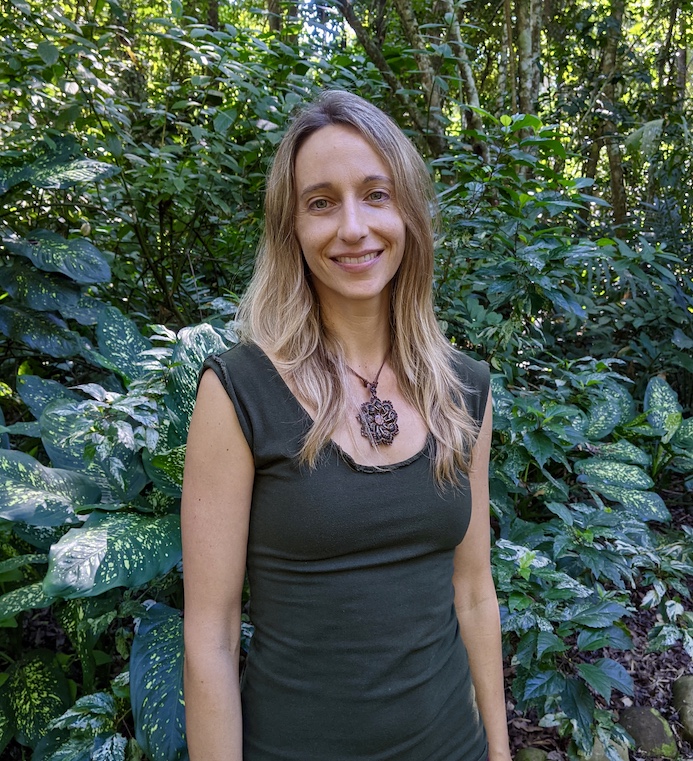
Jill Levers has been passionately writing about Ayahuasca for nearly 20 years, sharing her insights and experiences to inspire and educate others about its profound healing potential. Ayahuasca has played a transformative and central role in her life and work. Her first encounter with sacred medicine in Peru in 2007 marked a profound turning point in her spiritual journey. During her second ceremony, Jill felt a deep calling from Ayahuasca to dedicate her life to helping others heal and transform.
This experience inspired her to co-found the Tierra Vida Healing Center in 2008, which later evolved into the Nimea Kaya Healing Center in 2013. For over 17 years, Jill has served as a bridge between the Western world and the traditional Shipib
