
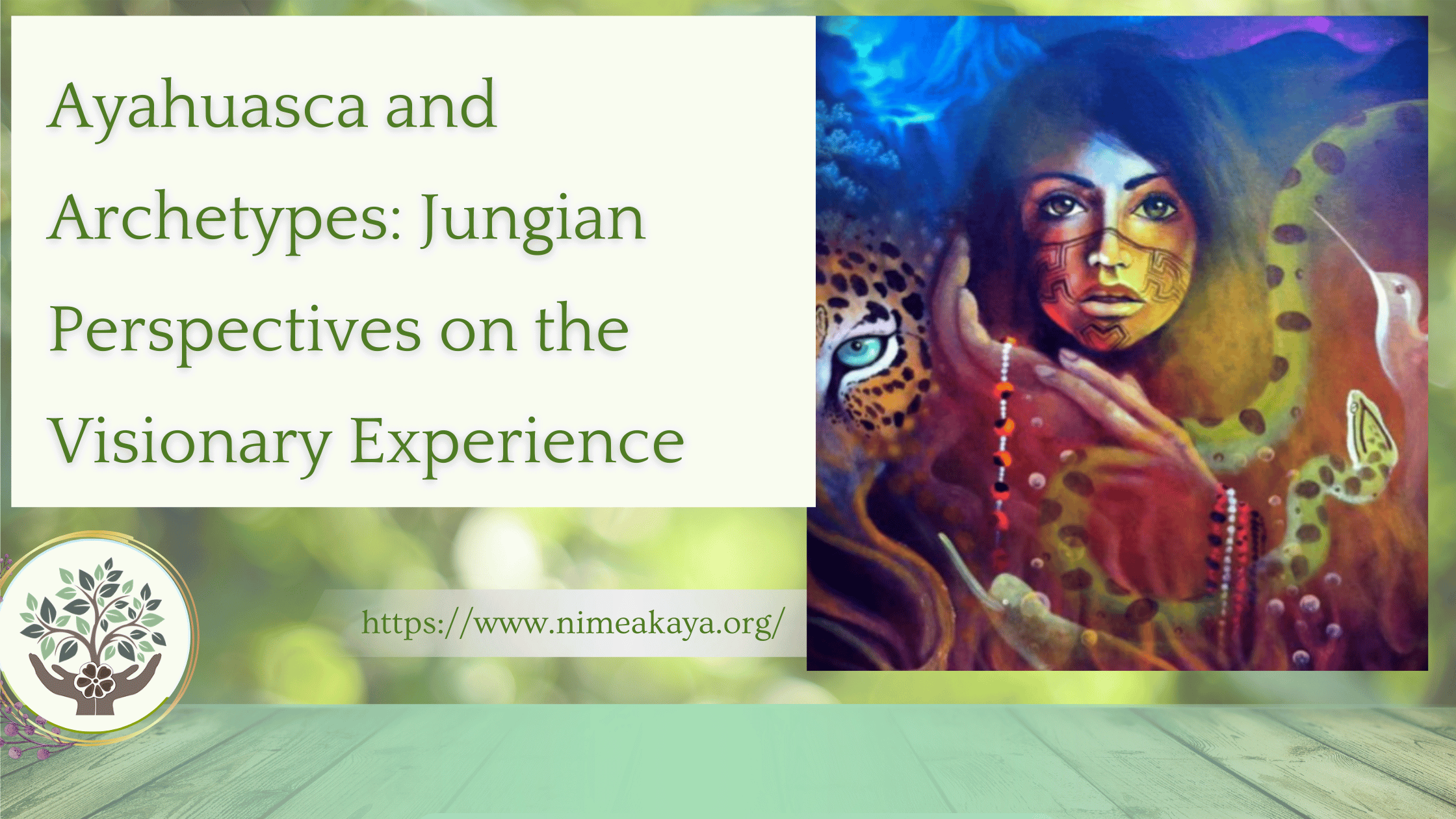
Ayahuasca and Archetypes: Jungian Perspectives on the Visionary Experience
Carl Jung spent decades mapping the territory of the unconscious. He wrote extensively about archetypes — universal patterns of psyche that appear in dreams, myths, religion, and art across all cultures and throughout all of human history. He named the shadow, the anima, the animus, the Self. He described a collective unconscious that underlies individual experience.
He never drank ayahuasca. But many who have, suggest that the visionary experiences of ayahuasca ceremonies are, in some ways, a direct encounter with exactly the territory Jung was describing.
This is not a coincidence. It may point to something fundamental about the structure of the human psyche — and about the extraordinary capacity of plant medicine to bring that structure into vivid, undeniable experience.
Jung’s Map of the Unconscious
For Jung, the human psyche had layers. The conscious mind — what we know about ourselves — sits atop a much larger personal unconscious, which holds forgotten memories, suppressed emotions, and unacknowledged aspects of experience. Beneath that lies the collective unconscious: a layer shared by all humans, containing the primordial patterns he called archetypes.
Archetypes are not fixed images or characters. They are dynamic patterns — like deep grooves in the structure of the psyche through which universal human experiences flow. The Great Mother. The Wise Old Man. The Trickster. The Hero. The Shadow. Each archetype carries both light and dark aspects, and each plays a role in the drama of psychological development.
Jung believed that psychological health required relationship with these archetypes — not unconscious domination by them, but conscious engagement with them. Individuation, his term for the lifelong process of becoming fully and authentically oneself, required confronting the shadow, integrating the contrasexual elements of the psyche, and eventually coming into relationship with the Self — the archetype of wholeness.
How Ayahuasca Maps Onto Jungian Territory
Those who have experienced both Jungian analysis and ayahuasca ceremony often remark on the uncanny parallels. The visionary content of ayahuasca — the imagery, the beings, the themes — bears a striking resemblance to the symbolic material that emerges in deep psychotherapeutic work, in dreams, and in the mythologies Jung studied.
This is not surprising from a Jungian perspective. If ayahuasca reliably accesses the deeper layers of the unconscious, then the archetypes — which inhabit those layers — are exactly what one would expect to meet.
The Shadow
Perhaps the most commonly encountered Jungian element in ayahuasca ceremony is the shadow — the repository of everything we have rejected about ourselves. Jung described the shadow as the part of the psyche we would prefer not to know: our aggression, our envy, our shame, our unacknowledged desires.
In ayahuasca ceremonies, the shadow frequently shows up without disguise. Participants encounter dark imagery, frightening figures, scenes from their own past that they have suppressed. The medicine seems to operate on a principle Jung understood: you cannot integrate what you refuse to see. The confrontation with shadow in ceremony, however uncomfortable, is the beginning of its integration — and therefore the beginning of healing.
The Great Mother
Many ayahuasca participants describe a profound encounter with what can only be called a maternal presence — vast, ancient, loving, and sometimes terrifying. In Shipibo tradition, ayahuasca is understood as a feminine intelligence, a mother spirit. Jung would recognize this as the archetype of the Great Mother.
The Great Mother carries both nurturing and devouring aspects. In ceremony, participants may experience her as the Amazon jungle itself — enormously alive, teeming with intelligence, equally capable of nourishment and destruction. This encounter is rarely neutral. It tends to evoke deep emotion and, often, a sense of being held by something incomparably larger than the individual self.
The Self and the Experience of Wholeness
Jung’s concept of the Self — the archetype of totality, the center and circumference of the entire psyche — bears a striking resemblance to what many ayahuasca participants describe as the deepest layer of their experience: a recognition of the whole, a sense of unity that transcends the personal, a direct experience of what mystics across traditions have called enlightenment, non-dual awareness, or union with the divine.
Whether one frames this as a psychological event (contact with the Self) or a spiritual one (contact with something genuinely transcendent), the phenomenology is remarkably consistent across cultures and traditions.
The Trickster
Ayahuasca has a well-documented sense of humor. The Trickster archetype — the boundary-crosser, the shape-shifter, the one who subverts expectations and reveals truth through disruption — is frequently present in ceremony. The medicine will sometimes show you exactly the opposite of what you expected, or lead you to a profound insight via a route that seems absurd until it suddenly makes complete sense.
The Trickster reminds us not to be too fixed in our interpretations. Meaning in ceremony is often multilayered and paradoxical.
The Importance of Integration in a Jungian Frame
Jung was emphatic that encountering unconscious material was not itself the goal. The goal was integration — bringing what was unconscious into conscious awareness, relating to it, and allowing it to change you in lasting ways. An undigested encounter with the unconscious could be destabilizing rather than healing.
This maps precisely onto what the plant medicine community understands as integration. The ceremony opens the unconscious. Integration is the work of making meaning from what was encountered and allowing it to reshape the conscious personality.
At Nimea Kaya, our retreat structure is designed with exactly this in mind. The combination of multiple ceremonies, daily yoga and breathwork, group sharing circles, and time in nature creates the conditions for genuine integration — not just profound experience.
Explore the depths of your psyche in the heart of the Amazon. Our retreats at Nimea Kaya offer the structure, safety, and depth to support genuine transformation. View our programs at nimeakaya.org/ayahuasca-retreats/
Who Benefits from a Jungian Understanding of Ayahuasca?
Anyone approaching ayahuasca from a psychologically informed perspective will find Jungian frameworks valuable. Therapists and mental health professionals who are curious about plant medicine will find that Jung’s map provides an intelligible bridge between Western psychology and the indigenous healing tradition.
People who have done therapy and feel that they have been circling the same material without breakthrough may find that the directness of ayahuasca — its capacity to put you face to face with shadow, with core wounds, with archetypal material — accelerates a process that has felt stuck.
And those who are simply intellectually curious about consciousness — who want to understand not just what ayahuasca does, but what it reveals about the nature of the human mind — will find the Jungian lens richly illuminating.
Jung wrote that the meeting with oneself is, at first, the meeting with one’s own shadow. Ayahuasca facilitates this meeting with unusual directness.
What comes after the shadow is what Jung spent his life pointing toward: the gradual, lifelong, demanding process of becoming whole. The Shipibo tradition — with its icaros, its dieta protocols, its understanding of ayahuasca as a teacher rather than merely a chemical — has been supporting this process for centuries.
Both traditions, East and West, indigenous and academic, are pointing to the same territory. The remarkable thing about ayahuasca is how quickly and vividly it can take you there.
Ready to Begin Your Journey?
Ready to explore the depths of your own psyche in one of the world’s most respected ayahuasca retreat settings? Visit nimeakaya.org to learn about our 7 and 9-day programs in the Peruvian Amazon.Carl Jung spent decades mapping the territory of the unconscious. He wrote extensively about archetypes — universal patterns of psyche that appear in dreams, myths, religion, and art across all cultures and throughout all of human history. He named the shadow, the anima, the animus, the Self. He described a collective unconscious that underlies individual experience.
He never drank ayahuasca. But many who have, suggest that the visionary experiences of ayahuasca ceremonies are, in some ways, a direct encounter with exactly the territory Jung was describing.
This is not a coincidence. It may point to something fundamental about the structure of the human psyche — and about the extraordinary capacity of plant medicine to bring that structure into vivid, undeniable experience.
Jung’s Map of the Unconscious
For Jung, the human psyche had layers. The conscious mind — what we know about ourselves — sits atop a much larger personal unconscious, which holds forgotten memories, suppressed emotions, and unacknowledged aspects of experience. Beneath that lies the collective unconscious: a layer shared by all humans, containing the primordial patterns he called archetypes.
Archetypes are not fixed images or characters. They are dynamic patterns — like deep grooves in the structure of the psyche through which universal human experiences flow. The Great Mother. The Wise Old Man. The Trickster. The Hero. The Shadow. Each archetype carries both light and dark aspects, and each plays a role in the drama of psychological development.
Jung believed that psychological health required relationship with these archetypes — not unconscious domination by them, but conscious engagement with them. Individuation, his term for the lifelong process of becoming fully and authentically oneself, required confronting the shadow, integrating the contrasexual elements of the psyche, and eventually coming into relationship with the Self — the archetype of wholeness.
How Ayahuasca Maps Onto Jungian Territory
Those who have experienced both Jungian analysis and ayahuasca ceremony often remark on the uncanny parallels. The visionary content of ayahuasca — the imagery, the beings, the themes — bears a striking resemblance to the symbolic material that emerges in deep psychotherapeutic work, in dreams, and in the mythologies Jung studied.
This is not surprising from a Jungian perspective. If ayahuasca reliably accesses the deeper layers of the unconscious, then the archetypes — which inhabit those layers — are exactly what one would expect to meet.
The Shadow
Perhaps the most commonly encountered Jungian element in ayahuasca ceremony is the shadow — the repository of everything we have rejected about ourselves. Jung described the shadow as the part of the psyche we would prefer not to know: our aggression, our envy, our shame, our unacknowledged desires.
In ayahuasca ceremonies, the shadow frequently shows up without disguise. Participants encounter dark imagery, frightening figures, scenes from their own past that they have suppressed. The medicine seems to operate on a principle Jung understood: you cannot integrate what you refuse to see. The confrontation with shadow in ceremony, however uncomfortable, is the beginning of its integration — and therefore the beginning of healing.
The Great Mother
Many ayahuasca participants describe a profound encounter with what can only be called a maternal presence — vast, ancient, loving, and sometimes terrifying. In Shipibo tradition, ayahuasca is understood as a feminine intelligence, a mother spirit. Jung would recognize this as the archetype of the Great Mother.
The Great Mother carries both nurturing and devouring aspects. In ceremony, participants may experience her as the Amazon jungle itself — enormously alive, teeming with intelligence, equally capable of nourishment and destruction. This encounter is rarely neutral. It tends to evoke deep emotion and, often, a sense of being held by something incomparably larger than the individual self.
The Self and the Experience of Wholeness
Jung’s concept of the Self — the archetype of totality, the center and circumference of the entire psyche — bears a striking resemblance to what many ayahuasca participants describe as the deepest layer of their experience: a recognition of the whole, a sense of unity that transcends the personal, a direct experience of what mystics across traditions have called enlightenment, non-dual awareness, or union with the divine.
Whether one frames this as a psychological event (contact with the Self) or a spiritual one (contact with something genuinely transcendent), the phenomenology is remarkably consistent across cultures and traditions.
The Trickster
Ayahuasca has a well-documented sense of humor. The Trickster archetype — the boundary-crosser, the shape-shifter, the one who subverts expectations and reveals truth through disruption — is frequently present in ceremony. The medicine will sometimes show you exactly the opposite of what you expected, or lead you to a profound insight via a route that seems absurd until it suddenly makes complete sense.
The Trickster reminds us not to be too fixed in our interpretations. Meaning in ceremony is often multilayered and paradoxical.
The Importance of Integration in a Jungian Frame
Jung was emphatic that encountering unconscious material was not itself the goal. The goal was integration — bringing what was unconscious into conscious awareness, relating to it, and allowing it to change you in lasting ways. An undigested encounter with the unconscious could be destabilizing rather than healing.
This maps precisely onto what the plant medicine community understands as integration. The ceremony opens the unconscious. Integration is the work of making meaning from what was encountered and allowing it to reshape the conscious personality.
At Nimea Kaya, our retreat structure is designed with exactly this in mind. The combination of multiple ceremonies, daily yoga and breathwork, group sharing circles, and time in nature creates the conditions for genuine integration — not just profound experience.
Explore the depths of your psyche in the heart of the Amazon. Our retreats at Nimea Kaya offer the structure, safety, and depth to support genuine transformation. View our programs at nimeakaya.org/ayahuasca-retreats/
Who Benefits from a Jungian Understanding of Ayahuasca?
Anyone approaching ayahuasca from a psychologically informed perspective will find Jungian frameworks valuable. Therapists and mental health professionals who are curious about plant medicine will find that Jung’s map provides an intelligible bridge between Western psychology and the indigenous healing tradition.
People who have done therapy and feel that they have been circling the same material without breakthrough may find that the directness of ayahuasca — its capacity to put you face to face with shadow, with core wounds, with archetypal material — accelerates a process that has felt stuck.
And those who are simply intellectually curious about consciousness — who want to understand not just what ayahuasca does, but what it reveals about the nature of the human mind — will find the Jungian lens richly illuminating.
Jung wrote that the meeting with oneself is, at first, the meeting with one’s own shadow. Ayahuasca facilitates this meeting with unusual directness.
What comes after the shadow is what Jung spent his life pointing toward: the gradual, lifelong, demanding process of becoming whole. The Shipibo tradition — with its icaros, its dieta protocols, its understanding of ayahuasca as a teacher rather than merely a chemical — has been supporting this process for centuries.
Both traditions, East and West, indigenous and academic, are pointing to the same territory. The remarkable thing about ayahuasca is how quickly and vividly it can take you there.
Ready to Begin Your Journey?
Ready to explore the depths of your own psyche in one of the world’s most respected ayahuasca retreat settings? Visit nimeakaya.org to learn about our 7 and 9-day programs in the Peruvian Amazon.
About the Author – Jill LEvers
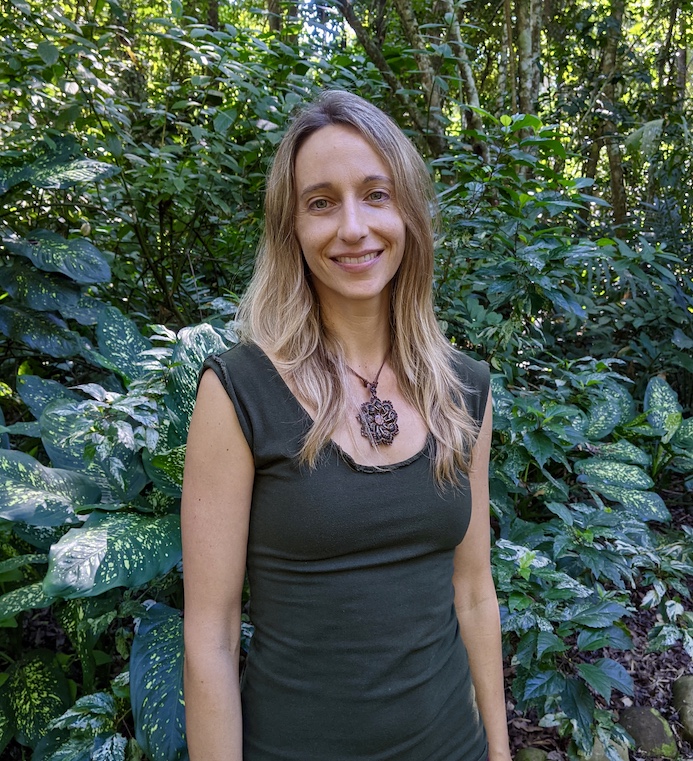
Jill Levers has been passionately writing about Ayahuasca for nearly 20 years, sharing her insights and experiences to inspire and educate others about its profound healing potential. Ayahuasca has played a transformative and central role in her life and work. Her first encounter with sacred medicine in Peru in 2007 marked a profound turning point in her spiritual journey. During her second ceremony, Jill felt a deep calling from Ayahuasca to dedicate her life to helping others heal and transform.
This experience inspired her to co-found the Tierra Vida Healing Center in 2008, which later evolved into the Nimea Kaya Healing Center in 2013. For over 17 years, Jill has served as a bridge between the Western world and the traditional Shipib
