
Post-Ceremony Relationship Changes: Why Dynamics Shift After Ayahuasca
Nobody warned you that coming home from the retreat would feel so strange.
Your partner is the same person. Your friends are the same people. But something has shifted in how you see them — and in how you see yourself in relation to them. Some connections feel deeper and more precious than ever. Others feel hollow, or confining, or built on a version of you that no longer quite fits.
Relationship changes after ayahuasca are one of the most commonly reported — and least commonly discussed — aspects of the ayahuasca experience. They are real, they are significant, and they deserve to be understood before you board the plane.
Why Ayahuasca Changes Relationships
Ayahuasca has a way of cutting through the stories we tell about ourselves and our lives — including the stories embedded in our relationships. When the medicine strips away the defenses and patterns that have been operating unconsciously, it often reveals the true nature of our connections: which ones are nourishing, which are draining, which are rooted in fear or obligation rather than genuine love and resonance.
This clarity can be liberating. It can also be disorienting. The people in your life did not drink ayahuasca. They have not had the same shift in perspective. And suddenly, a dynamic that felt normal before — a friendship built on commiserating, a relationship structured around an old wound, a family role you never consciously chose — can feel unsustainable in a way it never did before.
The Most Common Relational Shifts
Intimate Partnerships
Romantic relationships are often the most directly impacted. Ayahuasca can reveal with startling clarity what is true and what is not in a partnership — what is being avoided, what needs have gone unmet, what patterns of relating are keeping both people small.
For some couples, this clarity leads to a deepening. Partners who attend retreats together often describe a renewed sense of intimacy and understanding. For others, the clarity that emerges is harder: an honest recognition that the relationship is no longer aligned with who they are becoming.
Neither outcome is a failure of the medicine or of the relationship. Both are invitations to honesty.
Friendships
Friendships built on shared habits — particularly ones involving alcohol, recreational drugs, or mutual avoidance of difficult feelings — often feel different after ceremony. Not because your friends are bad people, but because you are no longer interested in the avoidance.
New friendships, often with people on similar paths of healing or growth, tend to deepen quickly after an ayahuasca retreat. The post-ceremony period is frequently a time of significant social reorientation.
Family Dynamics
Ayahuasca is particularly powerful in the domain of family — the place where our earliest and deepest wounds originate. Ceremony often surfaces childhood experiences, ancestral patterns, and unresolved grief or anger toward family members.
Seeing these things clearly does not mean you need to cut off your family. Often it means grieving what was not given, releasing the expectation that it ever will be, and finding a way to be present in those relationships from a more grounded, less reactive place.
Some guests return from retreat and find themselves able to be with their families in a new way — with compassion for their imperfections, and without needing them to be different than they are.
Relationship with Yourself
The most fundamental relationship shift is internal. Ayahuasca tends to strip away the masks and coping strategies we wear — sometimes the ones we did not even know we were wearing — and what remains is something more essential. Guests frequently describe an increase in self-compassion, a decrease in harsh self-judgment, and a growing ability to be present with their own experience without immediately trying to fix or escape it.
This internal shift is the foundation from which all external relationship changes emerge.
How to Navigate Post-Ceremony Relationship Changes
Move slowly
The post-ceremony period is not the time to make irreversible decisions about relationships. Give yourself time. The clarity you feel in the weeks immediately after ceremony is real, but it is also raw. Let it settle before you act on it dramatically.
Communicate honestly
The people in your life deserve honesty — even if that honesty is simply: something shifted in me and I am still understanding what it means. You do not need to explain your ceremony or convince anyone of anything. You do need to stay in honest conversation with the people who matter.
Tend to your integration
The more grounded and intentional your integration practice is, the more gracefully these relational shifts tend to unfold. Journaling, meditation, and honest conversation with trusted people all help.
At Nimea Kaya, we prepare every guest for the possibility of post-ceremony relational shifts before the retreat begins. We believe preparation is as important as the ceremony itself.
We prepare every guest for what comes after ceremony — including the relational shifts. Explore our full retreat programs at nimeakaya.org and come prepared for every dimension of the journey.
What About Partners Who Did Not Attend?
One of the most common challenges is returning to a partner who has not shared the experience — and who may feel threatened by the changes they see in you, or who simply cannot understand why you seem different.
This is worth addressing before you go. Have an honest conversation with your partner about what you are seeking, what you might experience, and what kind of support you will need when you return. Invite them into the conversation rather than making them spectators to your transformation.
Some couples find it valuable to do a retreat together, so that the journey is shared. Others find that attending separately — and coming together with honest communication afterward — works just as well.
The deepest healing touches every relationship in your life. This is not a side effect — it is part of the point. Ayahuasca asks you to see clearly. And when you see clearly, you naturally begin to relate more honestly.
This is often uncomfortable before it is beautiful. But most people who navigate the post-ceremony relational landscape with patience and honesty report that their relationships — the ones that endure — become richer and more real than they were before.
Come prepared. Come open. And trust that real love — in yourself and in your connections — can hold whatever truth the medicine reveals.
Ready to Begin Your Journey?
Prepare for every dimension of your journey — including what happens when you return home. Explore Nimea Kaya’s 7 and 9-day retreat programs at https://www.nimeakaya.org/ayahuasca-retreats/
About the Author – Jill LEvers
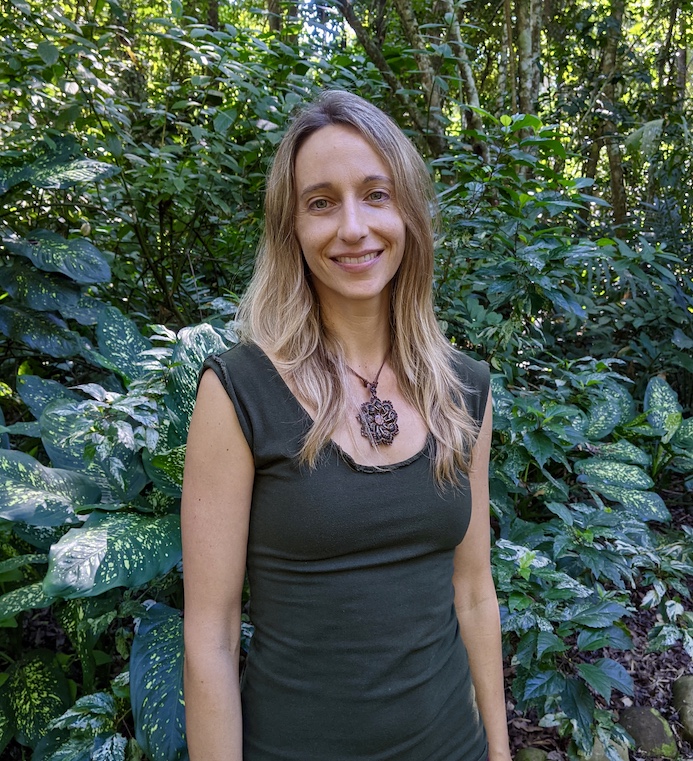
Jill Levers has been passionately writing about Ayahuasca for nearly 20 years, sharing her insights and experiences to inspire and educate others about its profound healing potential. Ayahuasca has played a transformative and central role in her life and work. Her first encounter with sacred medicine in Peru in 2007 marked a profound turning point in her spiritual journey. During her second ceremony, Jill felt a deep calling from Ayahuasca to dedicate her life to helping others heal and transform.
This experience inspired her to co-found the Tierra Vida Healing Center in 2008, which later evolved into the Nimea Kaya Healing Center in 2013. For over 17 years, Jill has served as a bridge between the Western world and the traditional Shipib
