
Why Some People Feel Nothing During Ayahuasca Ceremony
You prepared for weeks. You followed the diet. You flew to Peru, arrived at the retreat center, drank the medicine with intention and trust — and then waited. And waited. And while others around you seemed to be deep in vision, in tears, in some profound interior world, you felt… not much. Maybe a slight buzzing. Some nausea that passed. A heaviness in your limbs.
By morning, you were confused, perhaps disappointed, and wondering what went wrong. Was there something wrong with the brew? With you? Was it your antidepressant history? Your skepticism? Your rigid nervous system?
You are not alone in this experience. And it does not mean what you think it means.
First: Subtle Is Not Nothing
Before exploring the reasons a ceremony might feel mild, it is worth questioning the premise. Many people who describe having ‘felt nothing’ during ceremony discover in the days and weeks afterward that something was working beneath the surface.
Ayahuasca does not always arrive in dramatic visions and cascading revelations. Sometimes it works quietly — reorganizing something internal, completing a process that does not announce itself until much later. Some of the most profound healing reported by Nimea Kaya guests came from ceremonies that felt, in the moment, almost ordinary.
Dreams become vivid in the days following. Emotions that had been stuck begin to move. Clarity arrives unexpectedly. Relationships shift. If you had a mild ceremony and then wrote the whole thing off as a failure, it is worth revisiting that conclusion.
Common Reasons People Experience Little Effect
1. Medication Interactions
This is one of the most common and most important reasons. SSRIs, SNRIs, and certain other psychiatric medications can significantly blunt the effect of ayahuasca. This is because these medications affect the very serotonin receptors that ayahuasca works through. In some cases, they can reduce the experience to near zero.
If you are on or have recently come off SSRIs, this is a crucial conversation to have with your retreat team before you arrive. The standard recommendation is a supervised taper and washout period — something your prescribing physician needs to be involved in. Do not stop psychiatric medications without medical supervision.
At Nimea Kaya, our screening process asks about medication history precisely to help guests have the safest and most effective experience possible.
2. Resistance and Mental Control
The mind that has learned to manage, control, and cope is often the mind that has the hardest time letting go. People with strong analytical tendencies, high-functioning anxiety, or deeply embedded patterns of self-protection may find that the medicine encounters a very effective defense system.
This is not a character flaw. It is usually a survival strategy. But in the context of ceremony, those defenses can act as a barrier. The medicine may be present, working at the edges — and the mind may be unconsciously holding it at bay.
In subsequent ceremonies, as the body and mind become more familiar with the process, this resistance often softens. Many guests who had mild first ceremonies have their most profound experiences in the third or fourth ceremony of a retreat.
3. Individual Metabolism and Gut Health
Ayahuasca is ingested orally, and its effects depend partly on how the body processes and absorbs it. Individual variation in gut microbiome, digestive enzymes, and metabolism can affect how strongly a person responds to a given dose. Someone who metabolizes the brew quickly may have a shorter, milder experience.
This is another reason experienced retreat centers adjust dosage across multiple ceremonies. At Nimea Kaya, we assess each guest individually and adjust accordingly over the course of the retreat.
4. Setting and Timing of Expectations
People who arrive to ceremony with a very specific expectation of what the experience should look like often miss what the experience actually is. The search for the dramatic — the Hollywood vision of cascading geometric patterns and voices of the divine — can prevent someone from noticing the subtler but equally significant things that are happening.
Part of preparation is releasing attachment to a particular form of experience and opening to whatever the medicine brings.
5. The Brew Itself
Not all ayahuasca is prepared equally. The strength, freshness, and preparation of the brew varies across providers. This is one of many reasons why the credentials and lineage of the healers at your chosen retreat matter enormously. At Nimea Kaya, our Medicine is prepared by our Shipibo healers according to traditional protocols that have been refined over generations.
Have questions about your readiness or previous experience? Speak to our team before booking — we’ll make sure you’re fully prepared for the most meaningful experience possible. Contact us at nimeakaya.org/contact
What Our Healers Do When Someone Is Not Connecting
Experienced Shipibo maestros are trained to perceive and respond to what is happening for each participant in ceremony — not just the dramatic experiences, but the subtle ones too. When a healer senses that someone is not connecting with the medicine, they may direct specific icaros (healing songs) toward that person, adjust the energetic container of the ceremony, or work with the person directly.
This is one reason why the presence of genuinely experienced, trained healers — not facilitators who have attended a few workshops — is essential. The difference between a ceremony held by a Shipibo maestro with decades of training and one held by a well-meaning but inexperienced guide is enormous.
Multiple Ceremonies Are Part of the Design
If you had a mild or absent experience in your first ceremony, this is precisely why multi-ceremony retreats exist. The first ceremony is often a meeting — an introduction between you and the medicine. The body and psyche are becoming familiar. The defenses are beginning, just beginning, to relax.
In our 7 and 9-day retreats at Nimea Kaya, there is time for this process to unfold across multiple nights. Guests who felt little in their first ceremony very often have profound experiences in subsequent ones. The journey is cumulative.
If you felt nothing in ceremony — or very little — please resist the urge to decide that ayahuasca does not work for you. There are almost always reasons, and many of them are addressable.
Talk to your retreat team. Be honest about your medications, your anxiety, your resistance. Give yourself time. Come to another ceremony with less expectation and more openness.
The medicine has not given up on you. It rarely does.
Ready to Begin Your Journey?
Our team is here to support you before, during, and after your journey. Reach out to us at nimeakaya.org/contact
— or explore our 7 and 9-day retreat programs at nimeakaya.org
About the Author – Jill LEvers
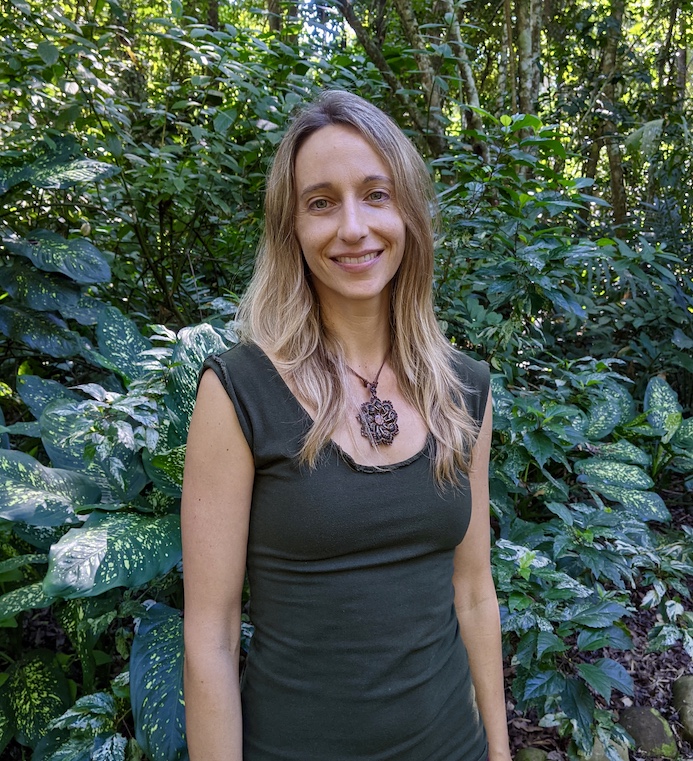
Jill Levers has been passionately writing about Ayahuasca for nearly 20 years, sharing her insights and experiences to inspire and educate others about its profound healing potential. Ayahuasca has played a transformative and central role in her life and work. Her first encounter with sacred medicine in Peru in 2007 marked a profound turning point in her spiritual journey. During her second ceremony, Jill felt a deep calling from Ayahuasca to dedicate her life to helping others heal and transform.
This experience inspired her to co-found the Tierra Vida Healing Center in 2008, which later evolved into the Nimea Kaya Healing Center in 2013. For over 17 years, Jill has served as a bridge between the Western world and the traditional Shipibo culture, organizing Ayahuasca retreats, assisting guests with integration, and supporting individuals on their paths to personal growth and healing.
