
Ayahuasca and Spiritual Awakening Stages
Something is shifting. You may not be able to name it yet, but you sense it — a feeling that your ordinary life, your ordinary self, your ordinary way of being in the world is no longer enough. You are being called toward something larger.
For many people, this feeling is the beginning of a spiritual awakening. And for a growing number of those people, that awakening unfolds — sometimes suddenly, sometimes slowly — through an encounter with ayahuasca.
Ayahuasca has been used for centuries by the indigenous peoples of the Amazon as a tool for healing, for connection to the spirit world, and for the expansion of consciousness. But what does a spiritual awakening actually look like in the context of ayahuasca? What stages does it move through? And how do you know if what you are experiencing is genuine transformation — and not just the residue of an intense night in the jungle?
This is what we will explore here — drawing on the wisdom of the Shipibo tradition and the lived experiences of the thousands of guests who have passed through Nimea Kaya’s ceremonies since 2008.
What Is Spiritual Awakening?
Spiritual awakening is not a single event. It is a process — often nonlinear, frequently disorienting, and ultimately rewarding in ways that are difficult to communicate to someone who has not been through it.
At its core, a spiritual awakening is a shift in identity. The sense of a fixed, separate self — the ego — begins to loosen. The person begins to experience themselves as something larger than their thoughts, their history, their roles and their fears. A sense of interconnectedness, of meaning, of presence emerges.
This can happen gradually over years. It can also be triggered suddenly by loss, by illness, by meditation practice, or by plant medicine. Ayahuasca is particularly known for catalyzing spiritual awakening because of the depth and speed with which it can dissolve the ordinary defenses of the ego.
The Stages of Spiritual Awakening Through Ayahuasca
While every person’s journey is unique, certain patterns appear consistently in ayahuasca spiritual experiences. The following stages are offered not as a rigid map, but as a set of landmarks that many travelers recognize.
Stage 1: The Call
Before a person ever drinks ayahuasca, something has already begun. A longing. A sense of searching. A feeling that the surface level of life — career, relationships, possessions, identity — does not explain or fulfill the depth of what they feel.
Many guests at Nimea Kaya describe feeling called to ayahuasca — not just curious, but genuinely drawn. In the Shipibo tradition, this is recognized: the medicine calls those who are ready for it. The call is the first stage.
Stage 2: Surrender and Opening
The first ceremony is often about the body learning to surrender. The medicine begins to work, the ordinary mind becomes overwhelmed, and the person faces a choice: resist or let go. The degree to which a person can surrender — releasing control, trusting the process — often determines the depth of what is possible.
This is why preparation matters so much. At Nimea Kaya, our team spends considerable time helping guests understand what surrender means and how to practice it before the ceremony begins.
Stage 3: The Purge
Purging — whether physical or emotional — is one of the most misunderstood aspects of ayahuasca. In the Shipibo tradition, purging is not a side effect. It is a cleansing. A release. The body and psyche ridding themselves of what has been accumulated and suppressed.
For some, this is tears. For others, physical vomiting. For others still, it is shaking, or laughter, or deep visceral grief. Whatever form it takes, it is considered sacred — and it is frequently followed by a profound sense of lightness and clarity.
This stage is one reason why proper setting and experienced support are essential. Our Shipibo healers are trained to hold space for whatever arises, and our retreat support team is present throughout the night.
Stage 4: Confrontation with Shadow
Carl Jung named it the shadow: the parts of ourselves we have rejected, suppressed, and refused to acknowledge. Ayahuasca has a particular talent for bringing the shadow forward — not to punish, but to illuminate.
This stage can be the most challenging. Participants may encounter memories they buried, emotions they have been running from, patterns of behavior they recognize but have not been able to change. The confrontation with the shadow is not comfortable. But it is where healing begins.
Many guests describe this as the most important part of their experience — the moment they stopped running and started seeing clearly.
Stage 5: Dissolution and Ego Death
At some point in the journey — it may be one ceremony, it may be several — the ordinary sense of self dissolves. The story of who you are, the boundaries between self and world, the constant inner narrator — all of it becomes quiet, or disappears entirely.
What remains is something that is very difficult to describe in words: a vast, open awareness. A sense of being everything and nothing simultaneously. A recognition of interconnectedness so complete that the idea of a separate self seems almost absurd.
This is what the traditions call ego death. It is not literal death. It is the death of a limited identity — and the birth of a larger one.
Stage 6: Revelation and Reorientation
Following dissolution, something often returns — but not the same self that dissolved. Insights arise. Clarity about relationships, about purpose, about what truly matters. A felt sense of what needs to change. Sometimes direct guidance — visual, auditory, or simply known — about the path forward.
This is the teaching stage. The medicine is showing you what it came to show you. The Shipibo healers describe ayahuasca as a doctor — one who diagnoses and treats, but also teaches the patient how to heal themselves.
Stage 7: Integration — The Real Work
Integration is where spiritual awakening either takes root or fades. The ceremony may last eight hours, but the integration lasts a lifetime.
At Nimea Kaya, we build integration directly into our retreat structure. Daily yoga, meditation, breathwork, and sharing circles are not extras — they are the framework through which what was experienced in ceremony gets embodied in everyday life. We believe that a well-integrated experience of an ayahuasca spiritual awakening can genuinely change the trajectory of a person’s life.
Begin your awakening journey in the heart of the Peruvian Amazon. View our 7 and 9-day retreat packages and discover how Nimea Kaya guides you through every stage of the journey.
Common Questions About Ayahuasca Spiritual Awakening
Will I definitely have a spiritual awakening?
Not necessarily — and that is okay. Ayahuasca works differently for every person, and even what appears to be a mild or confusing experience often carries seeds of transformation that unfold in the weeks and months following the retreat. The medicine gives you what you need, not always what you expect.
Can spiritual awakening be overwhelming or destabilizing?
Yes. This is why the container in which you drink matters enormously. An experienced ceremonial team, a safe physical environment, proper preparation, and quality integration support are not optional add-ons. They are essential conditions for a safe and productive experience.
This is why we select our healers with immense care and design our programs at Nimea Kaya with intention. We have been guiding guests through these experiences since 2008.
Does spiritual awakening through ayahuasca last?
The insights and openings from an ayahuasca experience are real. Whether they last depends largely on how you integrate them. People who approach their retreat with intention, who prepare properly, and who commit to integrating what arises — through journaling, meditation, therapy, lifestyle changes, and community — tend to carry the transformation forward in lasting ways.
Spiritual awakening through ayahuasca is not a magic fix. It is an invitation — sometimes a demanding one — to see yourself and your life with radical honesty, and to choose, from that place of clarity, how you want to live.
For many guests at Nimea Kaya, their time in the Amazon has been the most important experience of their lives. Not because it was easy — it rarely is. But because it was true.
If you feel the call, we are here.
Ready to Begin Your Journey?
Start your spiritual awakening journey with experienced Shipibo healers in the Peruvian Amazon. Visit nimeakaya.org to explore our 7 and 9-day retreat programs and take the first step.
About the Author – Jill LEvers
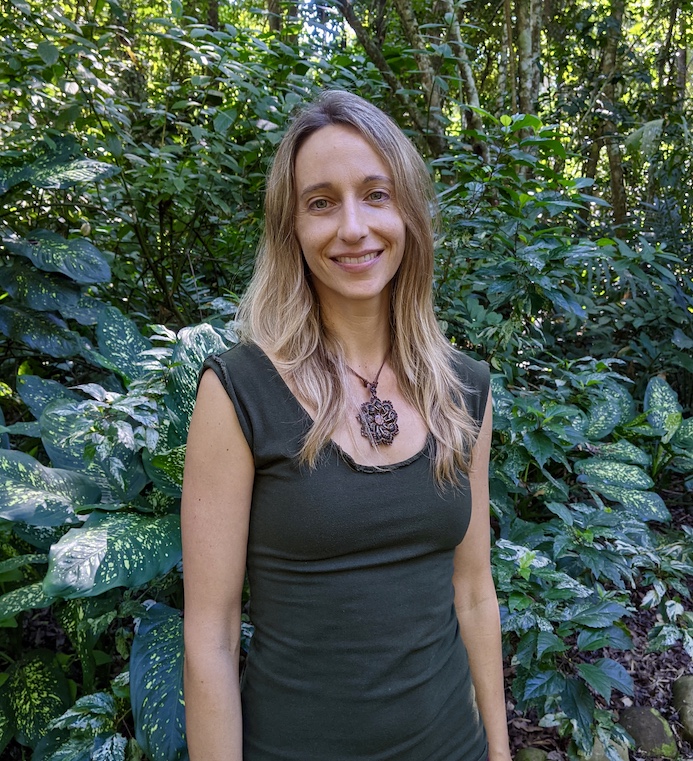
Jill Levers has been passionately writing about Ayahuasca for nearly 20 years, sharing her insights and experiences to inspire and educate others about its profound healing potential. Ayahuasca has played a transformative and central role in her life and work. Her first encounter with sacred medicine in Peru in 2007 marked a profound turning point in her spiritual journey. During her second ceremony, Jill felt a deep calling from Ayahuasca to dedicate her life to helping others heal and transform.
This experience inspired her to co-found the Tierra Vida Healing Center in 2008, which later evolved into the Nimea Kaya Healing Center in 2013. For over 17 years, Jill has served as a bridge between the Western world and the traditional Shipibo culture, organizing Ayahuasca retreats, assisting guests with integration, and supporting individuals on their paths to personal growth and healing.
