
How to Integrate Ayahuasca Without Therapy
You came back from ceremony with something. Maybe it was a vision you cannot stop thinking about. A feeling of openness that you desperately want to hold onto. A clarity about a relationship, a pattern, a choice — clarity that felt absolute in the jungle and now feels fragile in the ordinary light of your daily life.
Or perhaps you came back shaken. Something was stirred that you did not expect. Grief that you had successfully buried for years has risen to the surface. You see your life differently now — and that is uncomfortable.
Either way, you are in the integration period. And what you do here — how you tend to what was opened — will determine how much of the transformation actually takes root.
Not everyone has access to a psychedelic-trained therapist. And frankly, not everyone needs one. What everyone does need is a thoughtful, consistent practice of integration. Here is how to do it.
What Is Ayahuasca Integration?
Integration is the process of bringing what was experienced in ceremony into everyday life. It is the bridge between the extraordinary and the ordinary — the work of making the insights you received in ceremony real, embodied, and lasting.
The word comes from the Latin integrare — to make whole. That is precisely what integration is asking of you: to become more whole by incorporating what was revealed.
Without integration, ceremony can become a kind of spiritual tourism — profound in the moment, gone in a week. With it, a single ayahuasca retreat can genuinely shift the trajectory of your life.
How Long Does Integration Last?
There is no definitive answer, but a common framework in plant medicine communities is to give yourself a minimum of one month of active integration for every ceremony attended. If you attended three ceremonies in a week-long retreat, that suggests three months of intentional integration work.
For many people, integration continues for years — not because the experience was overwhelming, but because the layers of insight and change unfold gradually as you are ready for them.
Practical Integration Tools That Do Not Require a Therapist
1. Journaling
Write every day, especially in the first two weeks after returning. Write what you remember. Write what you felt. Write what you are noticing now. Write what is confusing. Write the images, the messages, the moments of clarity.
Do not edit yourself. The journal is not for anyone else. The act of writing helps the brain consolidate and make meaning of experiences that are difficult to hold in ordinary thinking.
Many people find that reading back through their integration journals months later reveals patterns and depths of meaning that were not visible at the time.
2. Meditation
A daily meditation practice — even ten or fifteen minutes — creates the internal space needed for integration to occur. Ceremony opens you. Meditation keeps you open.
If you do not already have a practice, begin simply: sit, close your eyes, and follow your breath. When your mind wanders, return. That is the whole practice. It does not need to be elaborate.
Many guests find that their meditation practice deepens significantly after an ayahuasca retreat, as if the medicine has removed some of the internal static that previously made sitting quietly difficult.
3. Yoga and Movement
Ayahuasca healing is not only psychological — it is somatic. The body holds memory, emotion, and trauma, and ceremony often stirs these at a physical level. Gentle, intentional movement helps the body process and release what was activated.
Yoga is particularly well-suited to integration because it combines breath, body awareness, and presence. Yin yoga, restorative yoga, or trauma-sensitive yoga are especially supportive in the post-ceremony period. At Nimea Kaya, we incorporate yoga into every retreat precisely because of its role in the integration process.
4. Breathwork
Breathwork practices — from simple deep belly breathing to more active techniques like holotropic breathwork — can help access and process emotions and energies that are difficult to reach through talking or thinking. Many people find that breathwork in the integration period produces experiences that feel like an echo or continuation of ceremony.
Even a few minutes of intentional breathing in the morning can help you stay connected to the open, receptive state that ceremony cultivates.
5. Time in Nature
Nature is integration’s natural ally. Time outdoors — walking, gardening, sitting by water — helps regulate the nervous system and keeps you connected to the larger intelligence that ayahuasca tends to reveal. The jungle is obvious, but a park, a garden, or a beach will do.
Many people find that being in nature after ceremony allows insights and emotions to move through more easily than being indoors.
6. Community and Sharing
Isolation after ceremony can allow integration to stall. Sharing your experience — with someone who understands, or at least genuinely listens — is an important part of making it real.
Integration circles, whether in person or online, offer a container for this. The plant medicine community has developed a rich network of online and offline spaces for people to process their experiences together. You do not have to do this alone.
This is one reason why the community aspect of a multi-day retreat like those at Nimea Kaya is so valuable. The friendships formed with fellow participants often become an ongoing integration resource long after the retreat ends.
Nimea Kaya’s retreats include built-in integration support from day one — yoga, meditation, breathwork, sound healing, and daily sharing circles. See what’s included in our 7 and 9-day programs at Nimea Kaya
What to Watch Out For
Integration is not always smooth. There are signs that suggest you may need additional support beyond self-directed practices: prolonged depression or anxiety after ceremony, difficulty functioning at work or in relationships, intrusive visions or thoughts, feeling ungrounded or dissociated for extended periods.
If you are experiencing any of these, please reach out for support — from a psychedelic-aware therapist, from your retreat center, or from a trusted community. Integration support is not weakness. It is wisdom.
The Dieta Continues After You Leave
Many traditional Shipibo protocols suggest maintaining a lighter version of the pre-ceremony diet for a period after returning home — typically one to four weeks. This means continuing to avoid alcohol, recreational drugs, and heavy or processed foods, and giving your body and nervous system time to settle.
This is not just cultural protocol. Maintaining dietary and lifestyle simplicity after ceremony gives you the clearest possible window into what the medicine is working on — undisturbed by substances or stimuli that cloud the signal.
Integration is where transformation happens. The ceremony is the door — integration is walking through it and living differently on the other side.
You do not need a therapist to do this well. You need honesty, consistency, and the willingness to keep showing up for yourself even when the post-ceremony glow has faded and ordinary life is making its demands again.
The medicine opened something in you. Integration is how you honor that.
Ready to Begin Your Journey?
Want integration support built into your retreat from the start? Our 7 and 9-day programs at Nimea Kaya include yoga, breathwork, meditation, sound healing, and daily sharing circles — designed to set you up for lasting transformation. Visit nimeakaya.org to learn more.
About the Author – Jill LEvers
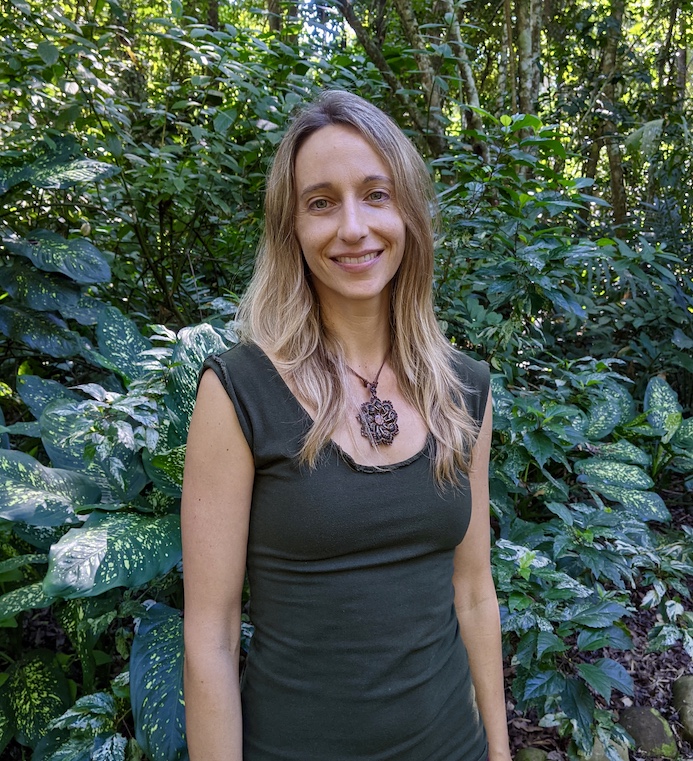
Jill Levers has been passionately writing about Ayahuasca for nearly 20 years, sharing her insights and experiences to inspire and educate others about its profound healing potential. Ayahuasca has played a transformative and central role in her life and work. Her first encounter with sacred medicine in Peru in 2007 marked a profound turning point in her spiritual journey. During her second ceremony, Jill felt a deep calling from Ayahuasca to dedicate her life to helping others heal and transform.
This experience inspired her to co-found the Tierra Vida Healing Center in 2008, which later evolved into the Nimea Kaya Healing Center in 2013. For over 17 years, Jill has served as a bridge between the Western world and the traditional Shipib
