

Huachuma vs Ayahuasca: Which Journey Opens the Door to Your Soul?
Individuals are often drawn to plant medicines like Ayahuasca and Huachuma as they are believed to offer a pathway to healing, self-discovery, and spiritual connection that conventional methods often cannot provide.
Many seek them to process unresolved trauma, overcome emotional blockages, or find clarity in life’s direction. These medicines are also valued for fostering a sense of unity—with nature, community, and the deeper self.
Unlike quick fixes, they invite profound inner journeys that can reshape perspectives on life. For spiritual seekers, plant medicines act as guides, opening doors to higher consciousness and reminding us of our innate connection to the world around us.
If you feel called to explore these medicines in a safe, supportive setting, consider joining a guided retreat at Nimea Kaya
Since ancient times, human desire for deeper meaning, healing, and connection to the universe has led seekers to plant medicines for thousands of years.
Two of the most profound and widely respected plant teachers in South America are Huachuma (San Pedro cactus) and Ayahuasca (a sacred vine brew).
Both are known for opening pathways to spiritual awakening, emotional healing, and self-discovery—but they do so in very different ways.
If you’ve ever wondered which of these sacred medicines might be the right path for you—or how they differ—this blog post guide will help you explore their histories, effects, and unique journeys of transformation.
What Is Huachuma, the Medicine of the Heart?
Huachuma, commonly known as San Pedro cactus (Echinopsis pachanoi), is native to the Andes mountains of Peru and Ecuador. Its ceremonial use dates back over 3,000 years, practiced by pre-Columbian civilizations who revered it as a bridge between humans and the cosmos.
Energy of Huachuma:
Often described as the “medicine of the heart,” Huachuma brings gentle, expansive, and loving energy. Instead of overwhelming visions, it frequently opens a profound sense of connection—to nature, to others, and to one’s own heart.
Typical Experience:
A Huachuma journey can last 8–12 hours. Participants often describe feelings of deep compassion, clarity, joy, and unity with the world. It is less about purging and more about expanding one’s consciousness and heart space.
Healing Potential:
Huachuma is often used for emotional healing, processing grief, reconnecting with nature, and rediscovering inner peace.
What Makes Ayahuasca the ‘Grandmother Spirit’?
Ayahuasca is a sacred Amazonian brew made from the Banisteriopsis caapi vine and the Psychotria viridis leaves (or similar plants containing DMT).
Indigenous tribes of the Amazon basin have worked with Ayahuasca for thousands of years as a tool for healing, divination, and spiritual awakening.
Energy of Ayahuasca:
Often referred to as the “medicine of the spirit” or “the grandmother,” Ayahuasca has a powerful, intense, and sometimes challenging energy. It takes people deep into their subconscious and can reveal hidden truths, traumas, and insights.
Typical Experience:
Ayahuasca ceremonies usually last 4–6 hours. They often involve visions, emotional releases, and physical purging (vomiting, sweating, crying). This purging is considered a form of cleansing—releasing emotional, mental, and energetic blockages.
Healing Potential:
Ayahuasca is widely recognized for helping people confront trauma, addictions, depression, anxiety, and limiting beliefs. It can also provide profound mystical experiences, including feelings of connection with divine intelligence or the universe.
If Ayahuasca is calling you, Nimea Kaya provides a safe and supportive retreat environment where you can embark on this transformative journey with guidance.
You can also refer our blog on How to Ensure a Safe and Meaningful Ayahuasca Retreat Experience
Heart vs. Spirit: The Key Differences Between Huachuma and Ayahuasca
Although both Huachuma and Ayahuasca are revered as sacred medicines, their qualities, experiences, and purposes differ in significant ways.
Huachuma, the cactus of the Andes, is often called the medicine of the heart. Its effects are gentle, nurturing, and expansive, usually unfolding over a long span of eight to twelve hours.
People describe it as a deeply connective experience, where the boundaries between self and nature dissolve. Instead of intense visions, Huachuma tends to bring feelings of compassion, clarity, joy, and harmony with the natural world. Many who drink it walk away with a renewed sense of peace and groundedness.
Ayahuasca, on the other hand, is known as the medicine of the spirit—sometimes affectionately called “the grandmother.” It is brewed from Amazonian plants and carries a much more intense and visionary energy.
Ceremonies usually last four to six hours, but those hours can feel like a lifetime of lessons compressed into one night. Unlike Huachuma’s gentle expansion, Ayahuasca often takes participants deep into their subconscious, confronting them with unresolved traumas, hidden truths, and profound spiritual insights. The process can involve strong physical purging—vomiting, sweating, or crying—which is considered part of the cleansing and healing.
Where Huachuma emphasizes connection, openness, and love, Ayahuasca emphasizes deep introspection, transformation, and spiritual awakening.
Huachuma is like sitting with a wise friend who reminds you of the beauty of life, while Ayahuasca is like being guided by a stern but loving elder who pushes you to face your shadows head-on.
If you are more curious to know about the ceremony, we have crafted a detailed blog for you on What Happens During an Ayahuasca Ceremony?
Both medicines open doors—but the doors lead to very different kinds of journeys. Huachuma often appeals to those who want to feel more present, connected, and heart-centered, while Ayahuasca tends to call people who are ready for deep healing, spiritual exploration, or confrontation of long-buried inner struggles.
A Side-by-Side Look: Huachuma vs. Ayahuasca
| Aspect | Huachuma (San Pedro) | Ayahuasca |
| Origin | Andes Mountains (Peru, Ecuador) | Amazon Rainforest |
| Plant | Cactus (Echinopsis pachanoi) | Vine (Banisteriopsis caapi) + Leaf (Psychotria viridis) |
| Duration | 8–12 hours | 4–6 hours |
| Energy | Gentle, heart-centered, expansive | Intense, visionary, purgative |
| Experience | Connection with nature, love, peace, joy | Deep introspection, visions, emotional release |
| Common Purpose | Healing the heart, clarity, grounding | Spiritual awakening, trauma release, deep transformation |
| Challenges | Can be subtle, requires openness | Can be overwhelming, strong purging |
So… Which Medicine Truly Opens the Door to Your Soul?
The answer cannot be generalised. It may vary and significantly depends on where you are on your personal journey and what you are seeking.
Choose Huachuma if:
You are looking for a gentle yet profound experience, one that connects you with the heart and nature. It’s especially supportive for those seeking peace, compassion, and grounding without the intensity of heavy purging.
Choose Ayahuasca if:
You are ready to confront deep layers of your subconscious, face inner shadows, and allow a sometimes intense but transformative journey. Ayahuasca is known to catalyze rapid and powerful change, though it requires courage and surrender.
For many seekers, these medicines are not “either-or.” Some begin with Huachuma to open their hearts, then later work with Ayahuasca for deeper spiritual exploration. Others feel called only to one path.
Important Things to Know Before Your Ceremony
Working with sacred plant medicines requires utmost respect, preparation, and responsibility. Here are some industry-recognized safety practices:
Legal Considerations: Both Huachuma and Ayahuasca are illegal in many countries, including the UK and the US (outside specific religious exemptions). Participating in ceremonies should only be done in countries where it is legally sanctioned. For a detailed explanation read Is Ayahuaca Legal in the USA?
Medical Screening:
- Avoid if you have heart conditions, epilepsy, or severe psychiatric disorders (e.g., schizophrenia, bipolar disorder).
- Ayahuasca in particular can be dangerous when mixed with certain medications, especially antidepressants (SSRIs, MAOIs).
- Always disclose your medical history to facilitators.
Mental Readiness: These medicines can bring suppressed emotions and trauma to the surface. It is essential to be mentally prepared and have a support system afterward for integration.
Qualified Facilitators: Only participate with experienced shamans or facilitators who prioritize safety, ethical practice, and proper ceremonial space.
Preparation (Dietas): Many traditions require dietary and lifestyle preparations before ceremony—avoiding alcohol, certain foods, and sexual activity to purify the body and mind.
Integration: The real transformation happens after the ceremony, in how you integrate the insights into daily life. Practices like journaling, therapy, meditation, or nature walks are invaluable.
At Nimea Kaya, safety and integrity are at the heart of every ceremony. Our team ensures thorough medical screening, preparation guidance, and post-ceremony integration support.
The Real Question Isn’t Which Medicine—It’s Are You Ready?
Choosing between Huachuma and Ayahuasca is not only about which medicine is “stronger” or “better.” It’s about your readiness to meet yourself.
If your heart longs for peace, compassion, and gentle clarity, Huachuma may be the key.
If your soul craves deep truth, confrontation of inner shadows, and spiritual awakening, Ayahuasca may be your guide.
Both medicines open the door to your soul—but the path you walk once it’s open is ultimately yours to choose.
Walking the Path With Respect and Awareness
Remember, Huachuma and Ayahuasca are not quick fixes or “magic pills.” They are sacred medicines, carrying thousands of years of wisdom and tradition.
When approached with humility, respect, and guidance, they can help you heal, grow, and awaken to the deeper truth of who you are.
But the greatest medicine, many shamans remind us, is how you live your life day-to-day—with love, kindness, and awareness.
Spaces are limited, and every retreat is guided with care and integrity. Secure your spot now and begin your path of transformation.
Disclaimer: This article is for informational purposes only. It does not promote or encourage the use of illegal substances. Both Huachuma and Ayahuasca are powerful plant medicines that should only be approached with respect, under the guidance of experienced and ethical facilitators, and in regions where their use is legally permitted. Always consult with medical and mental health professionals before engaging in any plant medicine ceremony.
About the Author – Jill LEvers
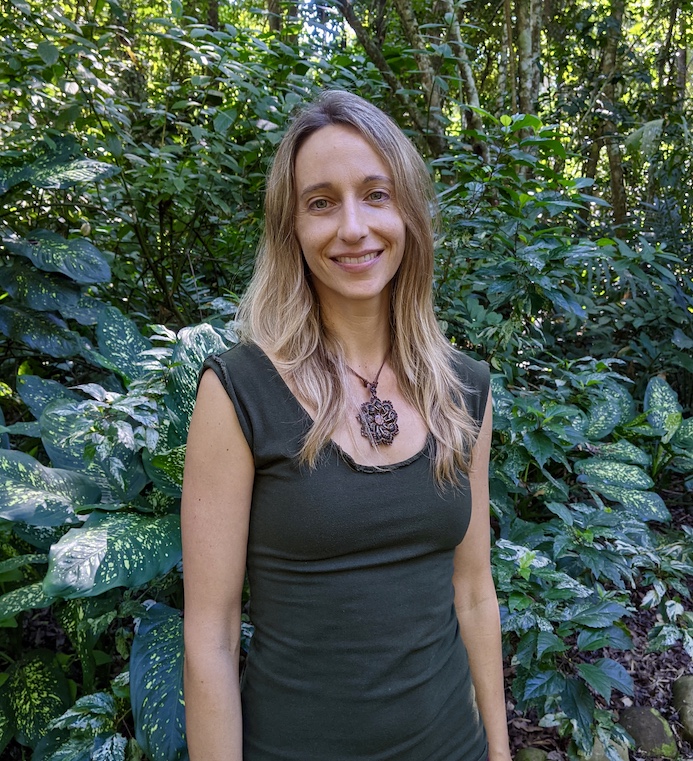
Jill Levers has been passionately writing about Ayahuasca for nearly 20 years, sharing her insights and experiences to inspire and educate others about its profound healing potential. Ayahuasca has played a transformative and central role in her life and work. Her first encounter with sacred medicine in Peru in 2007 marked a profound turning point in her spiritual journey. During her second ceremony, Jill felt a deep calling from Ayahuasca to dedicate her life to helping others heal and transform.
This experience inspired her to co-found the Tierra Vida Healing Center in 2008, which later evolved into the Nimea Kaya Healing Center in 2013. For over 17 years, Jill has served as a bridge between the Western world and the traditional Shipibo culture, organizing Ayahuasca retreats, assisting guests with integration, and supporting individuals on their paths to personal growth and healing.

