
How to Choose the Best Ayahuasca Retreat for You?
Your Ultimate Guide to Finding a Safe, Authentic, and Transformative Experience
In recent years, Ayahuasca has captivated global attention for its powerful ability to unlock trauma, ignite spiritual awakening, and catalyze deep personal healing. As this sacred Amazonian brew becomes more accessible through global retreat centers, more people than ever feel curious and called to experience it.
However, with the growing popularity of Ayahuasca comes a pressing challenge: How do you choose the right retreat? With hundreds of options across Peru, Costa Rica, Colombia, and even Europe and North America, the decision can feel overwhelming—and potentially risky if not made with care.
In this comprehensive guide, we’ll walk you through how to choose the best Ayahuasca retreat for you, based on safety, authenticity, facilitation, setting, cost, integration support, and your personal goals.
Why Choosing the Right Retreat Matters
Ayahuasca is not just a recreational psychedelic. The ancient tradition to which it belongs considers it as a potent plant medicine that induces intense physical, emotional, and spiritual experiences. Choosing the wrong retreat can result in:
- Poor facilitation or unsafe conditions
- Lack of medical screening
- Emotionally destabilizing experiences
- Minimal post-ceremony support
- Cultural disrespect or spiritual bypassing
On the other hand, the right retreat can lead to:
- Deep emotional healing
- Spiritual breakthroughs
- Personal clarity and life changes
- Community connection and growth
Let’s explore further how you can make this important decision with confidence.
1. Define Your Intention
Before diving into retreat websites and testimonials, pause and ask yourself:
- Why am I feeling called to Ayahuasca?
- What am I seeking—healing, clarity, spiritual growth, or something else?
- Am I mentally and emotionally prepared?
Your intention will shape the type of retreat that’s best for you. Some are more therapeutic, others deeply spiritual or traditional.
Clarifying your purpose helps narrow your options from the beginning.
2. Look for Experienced and Ethical Facilitators
The role of the facilitator or shaman is central to your safety and the effectiveness of the experience. You want someone who is:
- Experienced: With years of training, ideally within an indigenous lineage.
- Grounded in ethics: They respect boundaries, culture, and the sacredness of the medicine.
- Emotionally and spiritually mature: Can hold space for difficult emotions or trauma release.
Questions to ask:
- Is the shaman/facilitator trained under a recognized tradition (e.g., Shipibo, Santo Daime, Huni Kuin)?
- How long have they been serving Ayahuasca?
- Are there any red flags (past misconduct, abuse, etc.)?
Be wary of self-proclaimed shamans with no lineage or those making exaggerated promises of “instant enlightenment.”
For this you can also check our latest blog on How to Find a Good Shaman in Peru
3. Prioritize Safety and Medical Screening
A reputable retreat will always have medical screening protocols. Ayahuasca is not suitable for everyone, especially if you:
- Are on antidepressants (SSRIs or MAOIs)
- Have a history of psychosis, bipolar disorder, or schizophrenia
- Have serious heart or liver conditions
Safe retreats will:
- Provide a thorough health questionnaire
- Offer pre-ceremony consultations
- Have on-site medical professionals (nurses or emergency plans)
- Give clear guidance on what medications or supplements to stop
Avoid retreats that skip health screening or give generic, vague advice. It should be evident that your safety is considered by them as a top priority.
4. Authenticity of the Tradition and Ceremony
Authentic Ayahuasca retreats maintain respect for indigenous tradition, ceremonial protocols, and sacred music (icaros). Look for centers that:
- Follow lineage-based rituals (Shipibo, Santo Daime, etc.)
- Honor traditional preparation and diet
- Include indigenous healers as part of the team
- Treat the plant with reverence, not as a product
Cultural appropriation is a real concern in the psychedelic space. Make sure the retreat centers you consider are giving back to indigenous communities or working in respectful collaboration.
5. Ceremony Structure and Group Size
Not all ceremonies are created equal. Some retreats serve Ayahuasca in large groups, while others offer small, intimate settings.
Consider following points you are comfortable with:
- Group size: Smaller groups (8–15 people) allow more personal attention.
- Ceremony frequency: Most retreats offer 2–5 ceremonies across a week.
- Duration: A 7–10 day retreat allows space for integration and rest.
- Location: Jungle, beach, mountain? Choose what supports your healing.
Do Check if there are:
- One-on-one healing sessions (like plant baths or energy cleansings)
- Optional activities (yoga, meditation, sound healing)
- Structured schedules that balance ceremony and integration
6. Post-Ceremony Integration Support
One of the most critical (yet overlooked) aspects of choosing a retreat is integration—how you process and apply your insights in real life after the ceremony ends.
Without proper support, the experience can fade, or worse, lead to emotional confusion and regression.
Good retreats offer:
- Integration circles during the retreat
- Optional post-retreat coaching, calls, or support groups
- Journaling prompts, practices, or courses for aftercare
- Local or online community networks
You can also ask upfront: what happens after the retreat? Will I be supported in the days, weeks, and months afterward?
7. Transparency in Pricing and What’s Included
Cost varies significantly based on location, retreat length, amenities, and facilitator reputation.
Things to Check for:
- Are meals, accommodation, and transportation included?
- Do they charge extra for preparation or integration?
- Are there discounts for early booking or extended stays?
Prices can range from $1,000 to $5,000+ for a 5-10 day retreat. Higher cost doesn’t always mean better quality—but extremely low prices may be a red flag for unsafe or exploitative practices.
8. Check Reviews and Word of Mouth
You can look for real testimonials on platforms like – Tripadvisor, Google reviews, YouTube, Reddit forums or Facebook groups (Ayahuasca Healing, Psychedelic Integration)
Reach out to people who have attended. Ask about their experiences, what they learned, and how the retreat handled difficult moments.
Look for themes like:
- Respectful, caring staff
- Safety and preparation
- Depth of the ceremony
- Life-changing outcomes vs. vague experiences
If a retreat has consistent positive feedback over years, it’s likely trustworthy.
9. Red Flags to be Careful
Watch out for:
- Facilitators or Experts claiming they alone hold the truth
- Promises of guaranteed healing or instant transformation
- High-pressure sales tactics or manipulation
- Lack of transparency about the shaman’s identity or lineage
- No medical screening
Also, remember that your intuition also matters. If something feels “off” during the research or communication process, trust that feeling.
10. A Retreat Center that Aligns with Your Ethical and Spiritual Values
Lastly, consider the deeper alignment:
- Does the retreat honor the spirit of the medicine, not just the substance?
- Do they give back to indigenous communities or preserve land?
- Are women and marginalized groups welcomed and protected?
- Does it feel like a sacred, not commercial, experience?
The best Ayahuasca retreat is not just one with the best food or reviews—it’s one where your soul feels safe, held, and seen.
A Journey to Personal Rediscovery Deserves Personal Care and Attention
Choosing the best Ayahuasca retreat is not about finding the most luxurious or popular option—it’s about finding what aligns with your healing journey. This can be one of the most critical and transformational decisions you may ever make, and it deserves careful thought, intuition, and research.
By honoring your intention, prioritizing safety, and seeking authentic guidance, you create the conditions for a transformative and life-affirming encounter with the Medicine.
Are you feeling the call of Ayahuasca? Take your time. Trust your intuition. Research thoroughly. And when the right retreat finds you, step into it with humility, reverence, and an open heart.
May your journey be sacred, safe, and deeply healing.
About the Author – Jill LEvers
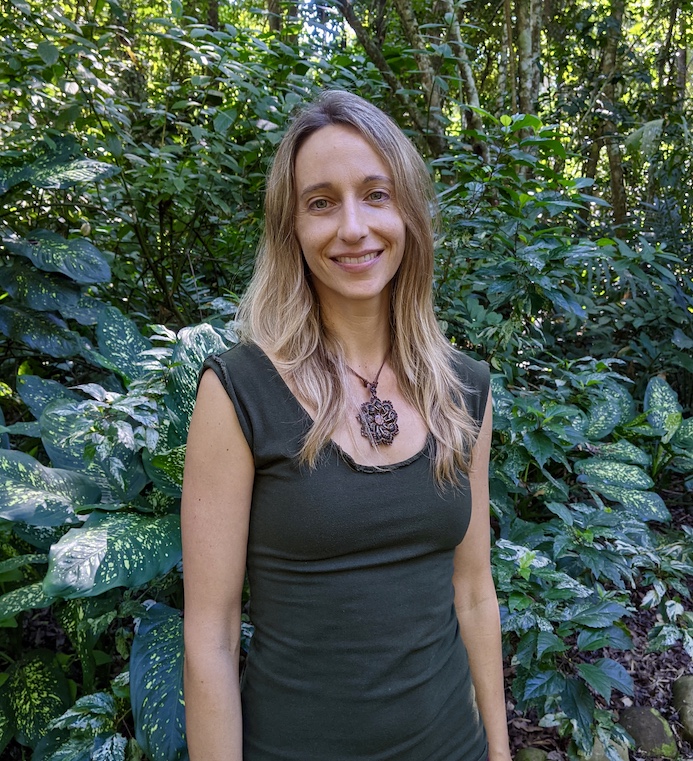
Jill Levers has been passionately writing about Ayahuasca for nearly 20 years, sharing her insights and experiences to inspire and educate others about its profound healing potential. Ayahuasca has played a transformative and central role in her life and work. Her first encounter with sacred medicine in Peru in 2007 marked a profound turning point in her spiritual journey. During her second ceremony, Jill felt a deep calling from Ayahuasca to dedicate her life to helping others heal and transform.
This experience inspired her to co-found the Tierra Vida Healing Center in 2008, which later evolved into the Nimea Kaya Healing Center in 2013. For over 17 years, Jill has served as a bridge between the Western world and the traditional Shipibo culture, organizing Ayahuasca retreats, assisting guests with integration, and supporting individuals on their paths to personal growth and healing.

