
Microdosing Ayahuasca: Can it be Beneficial?
Microdosing has become one of the defining wellness trends of the past decade. From Silicon Valley executives microdosing psilocybin for productivity to therapists recommending sub-perceptual LSD for emotional regulation, the idea of taking tiny amounts of psychedelics to improve daily functioning — without the full visionary experience — has captured mainstream attention.
So it is natural that people ask: can you microdose ayahuasca?
The answer is more nuanced than a simple yes or no. It touches on pharmacology, tradition, the nature of healing, and a question worth sitting with honestly: are you looking for real transformation, or are you looking for a way to access the benefits of ayahuasca without the hard part?
This article will give you a clear, honest answer — grounded in both science and the Shipibo tradition that informs everything we do at Nimea Kaya. If you are new to ayahuasca entirely, our Ayahuasca Medicine page is a good place to begin.
What Is Microdosing?
Microdosing refers to taking a sub-perceptual dose of a psychedelic substance — typically around one-tenth to one-twentieth of a full dose. At this level, the person does not experience hallucinations or significant alterations in consciousness. The goal is subtler: improved mood, focus, creativity, or emotional resilience.
The practice has been most extensively studied with psilocybin and LSD. Both can be taken in pill or drop form at very low doses, making precise, consistent microdosing relatively straightforward. Ayahuasca is a different matter entirely.
The Pharmacological Challenge of Microdosing Ayahuasca
Ayahuasca is not a single compound. It is a brew made from two plants — the Banisteriopsis caapi vine and the Psychotria viridis leaf — combined so that the DMT in the leaf is made orally active by the MAOIs in the vine. The ratio, the preparation method, and the source plants all affect potency and profile. Our Ayahuasca Brewing Video explains how the medicine is prepared and used in a traditional ceremonial context.
Unlike a standardised psilocybin capsule or a measured drop of LSD, ayahuasca brews vary significantly in strength. This makes achieving a precise, reliable sub-perceptual dose extremely difficult. What amounts to a microdose from one batch might be a moderate dose from another.
There is also the MAOI component to consider. The beta-carboline alkaloids in the vine — harmine, harmaline, and tetrahydroharmine — are biologically active even at low doses. They affect serotonin metabolism, interact with a wide range of foods and medications, and require the same dietary precautions as a full ceremonial dose. This means that ayahuasca microdosing is not comparable in safety or simplicity to microdosing psilocybin. Anyone experimenting with it without guidance is taking real risks.
What People Report When They Try It
There is a small but growing community of people who report experimenting with low-dose ayahuasca outside of ceremonial settings. Their accounts are mixed.
Some describe subtle mood lifts, increased emotional sensitivity, and gentle clarity — effects they attribute to the harmine alkaloids, which are known to have mild antidepressant properties at low doses. Others report nausea, anxiety, or an uncomfortable partial activation: not enough to enter a full ceremonial space, but enough to be disruptive. The consistent thread is unpredictability.
What the Shipibo Tradition Says
In the Shipibo healing tradition, there is no concept of ayahuasca microdosing. The medicine is understood as a sacred intelligence approached with ceremony, preparation, and respect. The rituals surrounding ayahuasca are not cultural decoration. They are the container that makes the medicine safe and effective.
The Shipibo maestros who guide ceremonies at Nimea Kaya have worked with this medicine for decades, trained in lineages that go back generations. Their understanding is consistent: ayahuasca works best — heals most completely — when it is given the full ceremonial context it was designed for. Read more about our healers and their lineage on our About Our Team page.
If you are ready for a genuine encounter with ayahuasca in the tradition it was designed for, we invite you to explore our 7 & 9-day retreat programs or apply for a retreat here.
Is There Any Legitimate Use Case for Low-Dose Ayahuasca?
There is one context where lower doses are sometimes used in traditional settings: preparation. Some retreat centres occasionally offer a very low dose in a first session to allow first-time participants to gently meet the medicine before a full ceremony. This is a guided, intentional introduction within a ceremonial container — entirely different from recreational microdosing.
If you are curious about what a first ceremony actually involves, our Ayahuasca Ceremony Page addresses many of the most common first-timer questions in depth.
The Deeper Question Worth Asking
The appeal of microdosing ayahuasca is understandable. But the profound healing ayahuasca offers does not come despite its intensity — it comes because of it. The purge is a release. The confrontation with shadow is the beginning of integration. The surrender is where transformation happens.
A sub-perceptual dose, by definition, does not take you there. It may offer mild mood support. But it will not show you what you came to see. It will not do the excavation that changes lives.
Safer Alternatives to Explore
If you are not yet ready for a full ayahuasca ceremony, there are more appropriate starting points. You might begin by working through our Ayahuasca Retreat Preparation guide to understand the commitment involved and whether you feel ready.
Breathwork practices can produce non-ordinary states of consciousness without any substances. And when you feel genuinely ready — not for a workaround, but for the real thing — our retreat program is designed to hold you safely through the full experience.
Ayahuasca is not a supplement. It is an initiatory medicine. It has been used for thousands of years in a specific ceremonial context because that context is what allows it to work.
If you feel called to ayahuasca, trust that call. And answer it fully.
Ready to Begin Your Journey?
When you are ready for the real experience — in the safety of a traditional Shipibo ceremony in the Peruvian Amazon — Nimea Kaya is here. Apply for a retreat or browse our 7 & 9-day retreat overview to learn what’s included.
About the Author – Jill LEvers
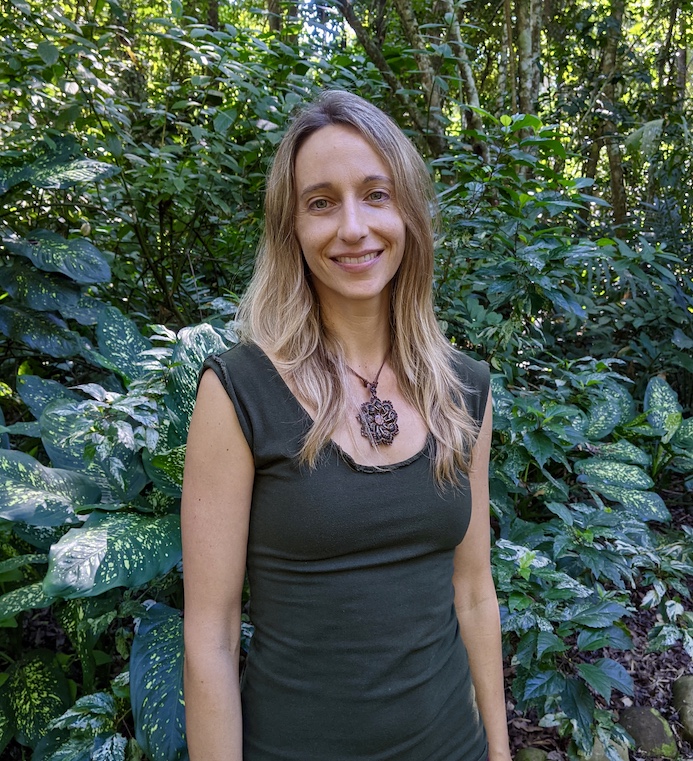
Jill Levers has been passionately writing about Ayahuasca for nearly 20 years, sharing her insights and experiences to inspire and educate others about its profound healing potential. Ayahuasca has played a transformative and central role in her life and work. Her first encounter with sacred medicine in Peru in 2007 marked a profound turning point in her spiritual journey. During her second ceremony, Jill felt a deep calling from Ayahuasca to dedicate her life to helping others heal and transform.
This experience inspired her to co-found the Tierra Vida Healing Center in 2008, which later evolved into the Nimea Kaya Healing Center in 2013. For over 17 years, Jill has served as a bridge between the Western world and the traditional Shipibo.
