
Real Ayahuasca Stories from First Timers
Ayahuasca: A Journey Like No Other
Ayahuasca is not a trend — it’s a sacred, centuries-old plant medicine used by Indigenous tribes of the Amazon basin for healing, spiritual connection, and vision quests.
In recent years, it has captured the imagination of seekers from all over the world, many of whom travel to South America or retreat centers globally to participate in ceremonies led by shamans or trained facilitators.
These deeply introspective experiences can bring healing, self-realization, and transformation — but they are of course to be carried with utmost care and expertise.
This blog brings together real stories from first-time Ayahuasca users, along with important insights and precautions for anyone considering this path.
Whether you’re simply curious or preparing for your first ceremony, these stories and guidelines will help you understand both the mystical and practical dimensions of working with Ayahuasca.
Before moving on to real time stories let’s quickly understand”
What is Ayahuasca—and Why Do People Try It?
Ayahuasca is a ceremonial brew made from two main plants: the Banisteriopsis caapi (a vine containing MAO inhibitors) and the Psychotria viridis (a leaf containing DMT, a powerful psychedelic). Traditionally used by Indigenous shamans in South America,the combination enables a powerful psychoactive journey that can last 4–6 hours.
People today seek out Ayahuasca for many reasons—emotional healing, trauma release, spiritual awakening, or simply curiosity. But it’s not a recreational drug. It’s a deep and often challenging experience that requires preparation, a safe setting, and expert guidance.
The Ayahuasca Experience
People often experience intense emotions, vivid visions, spiritual messages, and bodily purging (vomiting or diarrhea).
The effects can be healing but are also unpredictable and not recreational. Which is why preparation, integration, and expert guidance are essential.
Real Stories from First-Time Ayahuasca Participants
To be able to share more bias-free views and perspectives in this article, the following testimonials have come from people that have NOT attended retreats at Nimea Kaya and experienced Ayahuasca for their first time at other places.
Story 1: Maria, 34, Italy – “It Opened My Eyes to Childhood Trauma”
“I came to the retreat with anxiety and chronic sadness. I didn’t even know why I was feeling so heavy all the time. My first ceremony was terrifying — it brought me face to face with my childhood self, abandoned, crying, alone. I cried like I never had before. But after that night, something shifted. I could breathe freely. I felt a weight lift.”
Maria emphasizes how the retreat facilitator prepared her with intention-setting and post-ceremony integration sessions. The presence of experienced shamans and support staff helped her feel safe even in the most vulnerable moments.
Story 2: Daniel, 41, USA – “I Thought I Was Dying”
“I didn’t do much research — I thought it would be like a magical trip. Instead, I was completely overwhelmed. I felt like I was dying, and I didn’t know who I was anymore. I kept trying to get up and leave the ceremony. Luckily, a facilitator sat with me and calmed me down. Without her, I might have hurt myself.”
Daniel’s story is a cautionary tale. He chose a retreat center based on a friend’s recommendation without verifying credentials or safety protocols. He now advises everyone to research thoroughly, and never approach Ayahuasca casually.
Story 3: Sofia, 29, Mexico – “My Heart Finally Opened”
“I had read so much about plant medicine, and I came in skeptical. But by the second night, I experienced what felt like pure, radiant love. It was like my heart broke open and melted. I saw visions of my ancestors and received messages of forgiveness.”
For Sofia, the experience was gentle and emotional. She credits this to the structured preparation the center provided, including dietary restrictions, journaling, and psychological support.
Story 4: Mike, 38, UK – “The Dark Night of the Soul”
“It wasn’t pleasant. In fact, it was the hardest thing I’ve ever done. Vomiting, crying, reliving regrets… but something inside me changed. I stopped drinking after that week. I forgave my father. Life began to make sense.”
Mike’s story reflects what’s often called “the purge” — the physical, emotional, and spiritual cleansing Ayahuasca facilitates. He is grateful he chose a retreat center with a medical screening process and on-site therapists.
Here is testimonial from a guest who experienced Ayahuasca for his first time that came to Nimea Kaya.
The Truth of a First Time Ayahuasca Experience – Ayahuasca Retreat Review Testimonial
Precautions Before Your First Ayahuasca Journey
Safety First
Before we dive into the stories, a word of caution: Ayahuasca isn’t easy for everyone. It can interact dangerously with certain medications—especially antidepressants (SSRIs)—and may not be suitable for individuals with heart conditions or serious psychiatric disorders.
Integration support is crucial. The real transformation doesn’t happen in the ceremony alone, but in how the experience is processed afterward. And above all, choosing a trustworthy, experienced shaman or facilitator is non-negotiable.
If you’re considering Ayahuasca, these precautions are non-negotiable:
1. Medical Screening Is a Must
Ayahuasca can interact dangerously with certain medications and medical conditions.
- SSRI antidepressants, MAOIs, antipsychotics, and other drugs can cause serotonin syndrome — a potentially fatal condition.
- Cardiac issues, mental health conditions (especially schizophrenia or bipolar disorder), and epilepsy are red flags.
- Always consult with a medical professional and disclose all medications to the retreat organizers.
2. Diet (La Dieta) Isn’t Just Symbolic
Most reputable centers recommend a special diet starting at least 7 days before the ceremony:
- Avoid pork, red meat, spicy foods, dairy, fermented foods, alcohol, and caffeine.
- Abstain from sexual activity to conserve spiritual energy.
- These restrictions aren’t arbitrary — they reduce physical risks and enhance the spiritual clarity of the experience.
3. Emotional and Psychological Readiness
If you’re in a fragile mental state, Ayahuasca can intensify your distress.
- Undertake self-reflection, therapy, or coaching to assess whether you’re emotionally stable enough.
- Avoid Ayahuasca if you are currently in deep depression or experiencing suicidal thoughts.
- Be prepared to face uncomfortable truths, inner fears, and unresolved trauma.
4. Research the Retreat Center Thoroughly
Not all Ayahuasca experiences are created equal.
- Choose centers with experienced shamans, medically trained staff, and clear safety protocols.
- Look for transparent reviews, photos, and credentials. Avoid any place that seems commercialized or vague about facilitators.
- Ask about emergency procedures, integration support, group size, and accommodation standards.
5. Never Do It Alone
Solo Ayahuasca journeys or informal gatherings without a trained guide are risky and irresponsible.
- A trained shaman knows how to navigate spiritual energy, protect the space, and help participants through crises.
- Experienced facilitators ensure you don’t hurt yourself or others, and provide emotional support when things get intense.
Why the Right Ayahuasca Guide Changes Everything
The role of a shaman or facilitator is not just to pour the brew. A good guide:
- Sets sacred space and intention for the ceremony.
- Monitors each participant for signs of distress or disassociation.
- Uses Icaros (healing songs) to guide the experience and channel energy.
- Offers integration sessions the following day to help process and ground the insights.
Without such support, many people report confusion, trauma, or feeling unmoored after their ceremonies.
Post-Ceremony Integration: The Real Work Begins
What happens after the ceremony is just as important as what happens during.
- Journal your insights, dreams, and emotions.
- Continue your diet and abstinence for at least 3 more days.
- Talk to a therapist or integration coach trained in psychedelic experiences.
- Make lifestyle changes aligned with your realizations — otherwise, the experience becomes just a memory.
As one participant said: “Ayahuasca shows you the path, but you have to walk it.”
Conclusion: A Sacred, Serious Path
Real Ayahuasca stories show both the magic and the challenge of this ancient plant medicine. From childhood healing to addiction recovery and spiritual awakening, first-timers often experience profound transformation. Remember, Ayahuasca is for people who understand discipline and responsibility, and it is not to be taken lightly.
Key takeaways:
- Do deep research.
- Prioritize physical and mental safety.
- Work only with experienced, ethical guides.
- Prepare your body and mind thoroughly.
- Integrate the experience into real life.
Approached with humility, reverence, and preparation, Ayahuasca can be a powerful catalyst for change. But without these, it can be disorienting — even dangerous.
Let these stories serve as both inspiration and guidance, helping you make the right choices on your path toward healing and self-discovery.
Disclaimer: This blog post is for informational purposes only and does not constitute medical or psychological advice. Always consult with qualified professionals before participating in any psychedelic experience.
About the Author – Jill LEvers
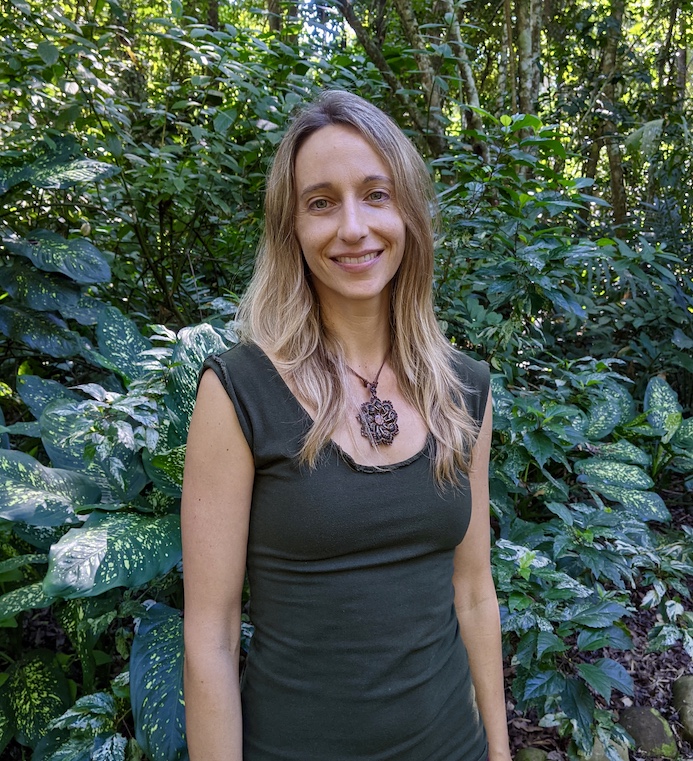
Jill Levers has been passionately writing about Ayahuasca for nearly 20 years, sharing her insights and experiences to inspire and educate others about its profound healing potential. Ayahuasca has played a transformative and central role in her life and work. Her first encounter with sacred medicine in Peru in 2007 marked a profound turning point in her spiritual journey. During her second ceremony, Jill felt a deep calling from Ayahuasca to dedicate her life to helping others heal and transform.
This experience inspired her to co-found the Tierra Vida Healing Center in 2008, which later evolved into the Nimea Kaya Healing Center in 2013. For over 17 years, Jill has served as a bridge between the Western world and the traditional Shipibo culture, organizing Ayahuasca retreats, assisting guests with integration, and supporting individuals on their paths to personal growth and healing.
