
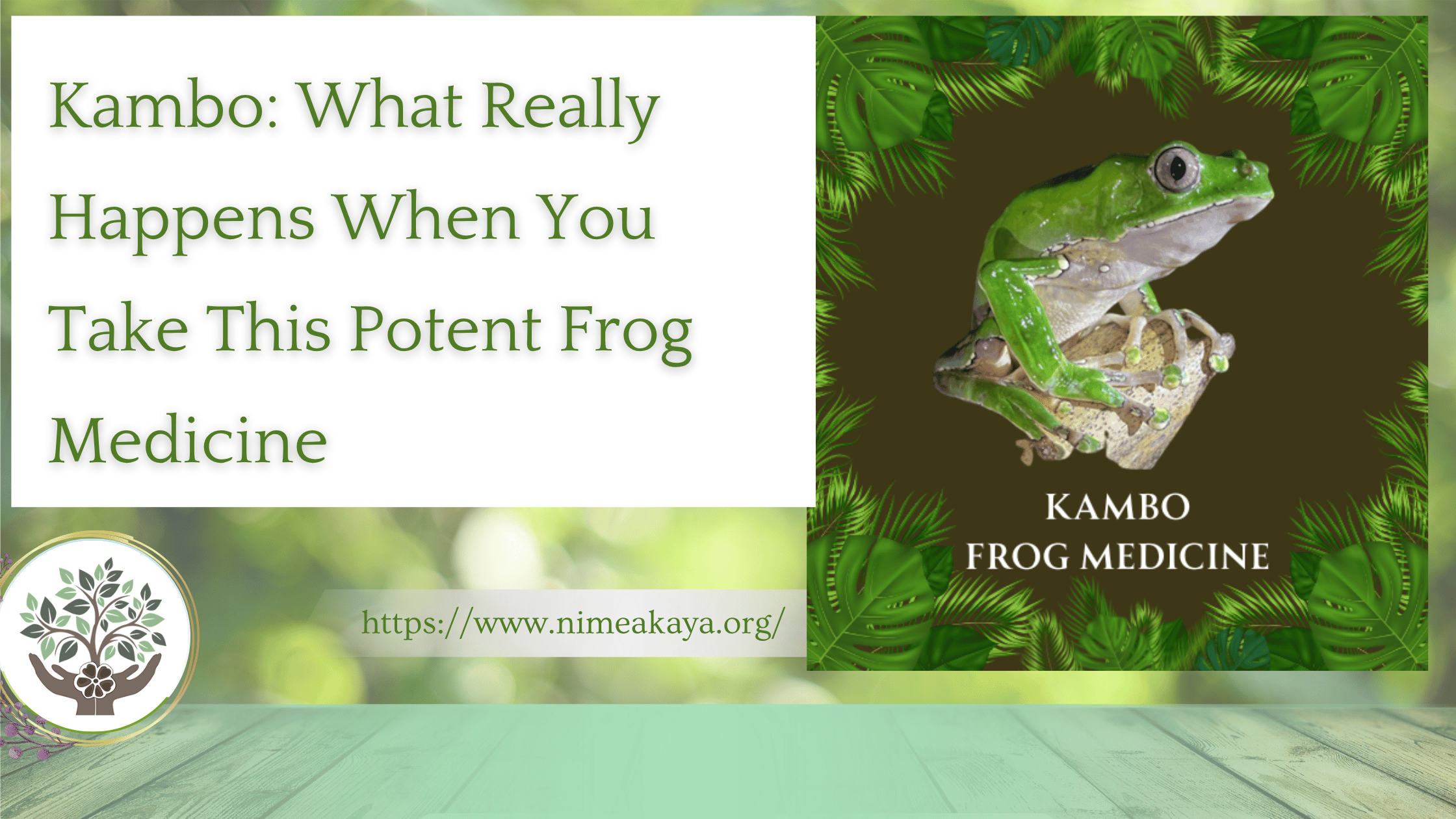
Kambo: What Really Happens When You Take This Potent Frog Medicine
In the world of alternative healing, few practices spark as much curiosity—and controversy—as Kambo, sometimes called “frog medicine.”
Derived from the secretion of the Phyllomedusa bicolor tree frog found in the Amazon rainforest, Kambo has been used for centuries by indigenous tribes as a form of cleansing, strengthening, and spiritual preparation.
In recent years, Kambo ceremonies have made their way to the West, drawing people seeking physical detox, emotional release, and even spiritual breakthroughs.
But what really happens when you take Kambo? What can you expect, and what precautions should you know about before considering this powerful experience?
Let’s dive in further through this blog post.
What Is Kambo?
Kambo is a secretion from the skin of the Phyllomedusa bicolor, also known as the “giant monkey frog.” Indigenous tribes in the Amazon—including the Matsés and Katukina—have used it for centuries. Traditionally, Kambo was taken to:
- Increase stamina and hunting abilities.
- Strengthen the immune system.
- Cleanse the body of toxins and “panema” (negative energy).
- Prepare warriors mentally and physically.
In Western contexts, Kambo is often sought as a detoxifying ritual, sometimes believed to help with anxiety, depression, chronic pain, or addiction. However, enough scientific evidence is still limited.
How Is Kambo Administered?
Unlike Ayahuasca or Wachuma, Kambo is not ingested orally. Instead, it is applied directly to the body through small burns made on the skin, typically on the arm or leg. Here’s what happens in a typical ceremony:
Preparation: Participants usually fast for several hours. They must drink water beforehand, as purging is an important part of the process.
Burning the Skin: Small superficial burns are made with a stick or incense, just enough to remove the top layer of skin.
Application of the Secretion: The practitioner places tiny dots of Kambo secretion onto the burns, where it quickly enters the lymphatic system and bloodstream.
Immediate Physical Reactions: Within minutes, the body responds. Most people experience:
- Intense heat and flushing.
- Nausea and vomiting.
- Sweating.
- Diarrhea or purging.
- Swelling of the face or lips (temporary).
Peak Experience: The most intense phase usually lasts 20–40 minutes. It’s often physically demanding but relatively short-lived.
Recovery Phase: After the purging, participants often rest. Some report feelings of clarity, lightness, and renewed energy. Others may feel drained for several hours before regaining strength.
What Does Kambo Feel Like?
People often describe Kambo as both challenging and cleansing. Unlike visionary plant medicines (such as Ayahuasca), Kambo does not induce hallucinations. Instead, its impact is primarily physical and energetic.
Commonly reported experiences include:
- A rush of heat through the body.
- Strong nausea followed by purging.
- Emotional release—sometimes crying or overwhelming feelings.
- A sense of relief and clarity after the session.
Some participants describe it as “resetting the system,” while others compare it to an intense detox session.
Potential Benefits of Kambo
While scientific studies are still emerging, traditional wisdom and anecdotal reports suggest Kambo may offer benefits such as:
- Physical cleansing: through purging and detoxification.
- Immune system boost: peptides in Kambo are believed to stimulate the body’s defenses.
- Mental clarity: many people report improved focus and reduced brain fog.
- Emotional release: some use it to release trauma or negative energy.
- Increased energy: after recovery, participants often feel lighter and revitalized.
That said, Kambo is not a guaranteed cure for any condition, and results vary widely from person to person.
The Possible Risks of Kambo
Despite its popularity, Kambo is not without risks. In fact, it can be dangerous if not administered correctly. Some possible risks include:
Severe dehydration from excessive vomiting and diarrhea.
Allergic reactions to the peptides in the secretion.
Low blood pressure and dizziness.
Complications for people with medical conditions, especially heart problems or epilepsy.
Rare but serious cases of hospitalization or death have been reported when Kambo was misused.
This is why working with a trained and experienced practitioner is absolutely crucial.
The Role of the Shaman or Practitioner
A Kambo ceremony is not something to undertake alone. Traditionally, Amazonian shamans or healers administered Kambo in a sacred context, with songs, prayers, and rituals.
In modern settings, certified practitioners or naturopathic guides perform the ceremony. Their role includes:
- Assessing participant health and screening for contraindications.
- Preparing the space for safety and comfort.
- Applying the medicine with correct technique.
- Supporting participants during purging and difficult moments.
- Guiding integration after the ceremony, helping make sense of the experience.
Without skilled guidance, Kambo can be overwhelming and even unsafe.
Recommended Safety and Precautionary Practices
If you are considering a Kambo ceremony, keep the following safety practices in mind:
- A thorough health status check: Avoid if you have heart issues, blood pressure problems, epilepsy, or if you’re pregnant.
- Choose a trained practitioner: Ensure they are certified and experienced in administering Kambo.
- Hydration balance: Drink water as advised, but avoid overhydrating before the session.
- Aftercare: Rest, hydrate properly, and integrate your experience with reflection, journaling, or supportive therapy.
- Legal considerations: Kambo is legal in many countries, but not all. Always check local laws.
Kambo vs Other Plant Medicines
It’s common to compare Kambo with other sacred medicines like Ayahuasca, San Pedro, or Peyote. However, Kambo is unique:
- It does not cause visions or altered states of consciousness.
- Its effects are short but physically intense.
- It’s seen as a cleanser or preparatory medicine, sometimes taken before Ayahuasca to clear the body.
Think of Kambo as more of a reset button for the body and mind rather than a journey into the spirit world or inner self.
Integration After Kambo
After the ceremony, integration is key. Many people feel lighter, clearer, and more energized, but the experience can also bring up unresolved emotions.
Ways to integrate include:
- Journaling your thoughts and feelings.
- Engaging in meditation or mindfulness practices.
- Speaking with your practitioner or therapist about what came up.
- Resting and nourishing your body with healthy food and hydration.
Concluding Note
Kambo is a potent and ancient Amazonian medicine that continues to intrigue modern seekers. It offers a unique and often challenging experience that focuses less on visions and more on physical and emotional cleansing.
What really happens when you take Kambo? You go through a short but intense detox that can leave you feeling renewed, but it also carries risks if not done responsibly.
If you feel called to Kambo, the most important steps are to approach it with respect, humility, and caution—and to ensure that you are guided by a qualified shaman or practitioner who is a subject-matter expert and honors the sacred tradition.
At the end of the day, Kambo is not a magic cure-all, but for some, it serves as a powerful catalyst for cleansing and transformation.
Disclaimer: This article is for informational and educational purposes only. Kambo is not a medicine recognized by conventional medical authorities, and it may carry serious health risks. It is not recommended for individuals with heart conditions, epilepsy, or certain chronic illnesses. Always consult a qualified healthcare provider before considering participation in a Kambo ceremony. If you do choose to experience Kambo, ensure it is under the guidance of a trained and experienced practitioner.
If you’re considering Kambo, do your research carefully. Seek out experienced practitioners who prioritize safety, respect the tradition, and provide support during and after the ceremony. Remember—Kambo is not about chasing a trend; it’s about engaging with an ancient practice in a mindful, responsible way.
About the Author – Jill LEvers
Jill Levers has been passionately writing about Ayahuasca for nearly 20 years, sharing her insights and experiences to inspire and educate others about its profound healing potential. Ayahuasca has played a transformative and central role in her life and work. Her first encounter with sacred medicine in Peru in 2007 marked a profound turning point in her spiritual journey. During her second ceremony, Jill felt a deep calling from Ayahuasca to dedicate her life to helping others heal and transform.
This experience inspired her to co-found the Tierra Vida Healing Center in 2008, which later evolved into the Nimea Kaya Healing Center in 2013. For over 17 years, Jill has served as a bridge between the Western world and the traditional Shipibo culture, organizing Ayahuasca retreats, assisting guests with integration, and supporting individuals on their paths to personal growth and healing.
