

How to Find a Good Shaman in Peru: A Guide for Spiritual Seekers
Peru is a land rich with sacred traditions and profound spiritual wisdom. From the depths of the Amazon rainforest to the highlands of the Andes, Indigenous healers—often known as curanderos, ayahuasqueros, or vegetalistas—have safeguarded the use of plant medicine for generations. Today, more people than ever are drawn to Peru seeking healing, insight, and connection through powerful medicines like Ayahuasca.
Yet with growing global interest, not every practitioner offers the integrity or experience these medicines require. Knowing how to find a legitimate, ethical shaman is essential for a safe, respectful, and deeply transformative journey.
At Nimea Kaya, we believe this begins with awareness, discernment, and honoring the medicine with reverence.
Why Choosing the Right Shaman Truly Matters
Ayahuasca ceremonies can open doors to emotional release, deep spiritual awareness, and physical healing. But those doors should only be opened in the presence of someone who understands what lies beyond. The person guiding your journey matters as much as the journey itself.
Working with sacred plant medicines like Ayahuasca is not a casual or recreational experience. These ceremonies can bring on intense emotional purging, trauma resurfacing, ego dissolution, and profound spiritual revelations. In such a vulnerable state, the ethics and expertise of your shaman or facilitator can make the difference between genuine healing and unnecessary harm.
A qualified, grounded shaman:
- Holds deep knowledge of the plants and their spirits.
- Offers energetic protection and guidance during ceremony.
- Maintains a safe and sacred ceremonial space.
- Acts with humility, integrity, and compassion.
- Has years (often decades) of training through traditional dietas and apprenticeships.
In contrast, an inexperienced or unethical practitioner may expose you to energetic confusion, emotional trauma, or even medical risk.
What Does a Legitimate Shaman Look Like?
With so many different types of shamans and facilitators out there, it’s not always easy to know who’s truly qualified. From Indigenous elders to Western apprentices, legitimacy isn’t about where someone comes from—it’s about how they walk the path and how they hold the space.
True shamans can come from many walks of life. Some are Shipibo elders deeply rooted in ancestral traditions; others are mestizo healers; and some Westerners have committed to long-term apprenticeships in the Amazon. What defines a legitimate shaman is not their ethnicity—but their depth of training, lived experience, and spiritual integrity.
Signs of a good shaman:
- Completed dietas and apprenticeship under a recognized lineage.
- Uses icaros (sacred healing songs) to guide the ceremony.
- Can diagnose and energetically cleanse participants.
- Remains attentive throughout the ceremony.
- Offers preparation and integration support.
- Works in clean, safe environments with health screening.
- Is respected within their community and by past participants.
- Respects cultural protocols and does not exploit traditions.
Red Flags to Watch Out For
Unfortunately, not everyone offering Ayahuasca ceremonies in Peru is trained or operating from a place of integrity. Here are some clear warning signs to help you avoid unsafe or exploitative situations.
Watch out for shamans or retreat centers that:
- Brag about supernatural powers or promise instant enlightenment.
- Are flirtatious or inappropriate with participants.
- Hold ceremonies daily or with large groups for profit.
- Use alcohol or recreational drugs irresponsibly.
- Provide no background, lineage, or training details.
- Get defensive or aggressive when asked thoughtful questions.
If something feels off—trust your intuition. You are your own best advocate on this path.
Where to Find a Good Shaman in Peru
Your safety and healing are deeply influenced by the environment you choose. The best way to find a trustworthy shaman is often through a reputable retreat center that prioritizes ethics, tradition, and holistic care.
Most seekers find ethical shamans through trusted Ayahuasca retreat centers that vet their facilitators and offer well-structured programs.
Look for a retreat center that:
- Requires medical and health history and thorough intake forms.
- Limits group sizes to ensure personalized care.
- Offers pre-ceremony education and post-ceremony integration.
- Is transparent about the shaman’s lineage, background, and training.
- Has medical staff or emergency protocols in place.
- Prioritizes safety, ethics, and cultural respect.
Questions to Ask Before Choosing a Shaman or Center
Asking the right questions can help you distinguish between genuine healers and those simply capitalizing on the rising popularity of plant medicine. A good center—or a good shaman—won’t be defensive. They’ll be transparent and welcoming.
Before committing, ask:
- What lineage or tradition is the shaman trained in?
- How many years of experience do they have?
- Who trained them, and where?
- How are ceremonies structured?
- Is there medical screening and emergency support?
- What is the group size and setting?
- What type of integration is offered post-ceremony?
- Are there any reports of misconduct?
A trustworthy guide will respond with honesty, transparency, and patience—never with deflection or arrogance.
Tips for a Safe and Sacred Experience
A safe Ayahuasca journey requires more than just finding the right shaman—it’s also about showing up with the right mindset, preparation, and support. Here are a few simple but powerful ways to protect your healing process.
- Trust your gut—intuition is a powerful compass.
- Start small—opt for a short retreat before a long dieta.
- Avoid spiritual bypassing—the work is ongoing, not instant.
- Prepare emotionally and physically—set clear intentions.
- Plan integration support—such as therapy or support groups.
Honor Cultural Traditions with Respect
Ayahuasca comes from Indigenous cultures that have preserved this sacred wisdom despite generations of colonial pressure. Your presence in these spaces should be one of respect, humility, and reciprocity—not entitlement.
Be a respectful guest:
- Learn basic phrases in local languages like Spanish, Shipibo or Quechua.
- Ask permission before taking photos or videos in ceremonial spaces.
- Follow dieta and ceremonial protocols with sincerity.
- Avoid treating the experience like a trend or performance.
- When appropriate, offer gifts or donations to honor the lineage.
- Support eco-conscious, community-centered retreat centers which prioritize sustainability and cultural reciprocity.
Your Role in the Healing Process
Even with the best shaman and setting, your healing depends on your willingness to participate fully, prepare properly, and engage in post-ceremony integration. The work doesn’t end with the ceremony—it begins there.
You are not a passive recipient in the healing process. You are a co-creator. Before and after your retreat:
- Follow dietary and behavioral guidelines carefully.
- Avoid SSRIs or medications that conflict with Ayahuasca (under medical supervision).
- Set a sincere, focused intention.
- Stay grounded, open, and humble throughout the journey.
- Engage in integration practices—journaling, meditation, therapy, or group circles.
Words from Fellow Seekers
Hearing directly from others who’ve walked the path can help you feel more prepared, aware, and connected. Here are a few reflections from people who experienced both the light and the lessons of choosing wisely.
“The wisdom of the shaman made all the difference. I felt seen, held, and completely safe through intense emotional releases.”
“I chose a retreat center that respected Indigenous traditions. The integration work afterward helped me understand my experience with depth.”
“I ignored the red flags in a cheap ceremony I found online. It was chaotic and unprofessional—my healing journey only really began once I found a legitimate guide.”
Let Your Journey Begin with Integrity
At Nimea Kaya, we know that sacred medicine must be held with deep responsibility. The right guide honors your healing process, the lineage of the plants, and the spiritual dimensions you’ll encounter. Begin your journey in a space that respects your soul.
Choosing the right shaman isn’t about chasing intense visuals or dramatic stories. It’s about aligning with someone who respects your healing, honors the medicine, and holds the space with care and clarity.
Take your time. Ask questions. Prepare wisely.
Because in the end, the most powerful healing happens not through the shaman alone—but in the sacred partnership between you, the plants, and the spirit world.
Let your healing begin—with intention, with respect, and with integrity.
About the Author – Jill LEvers
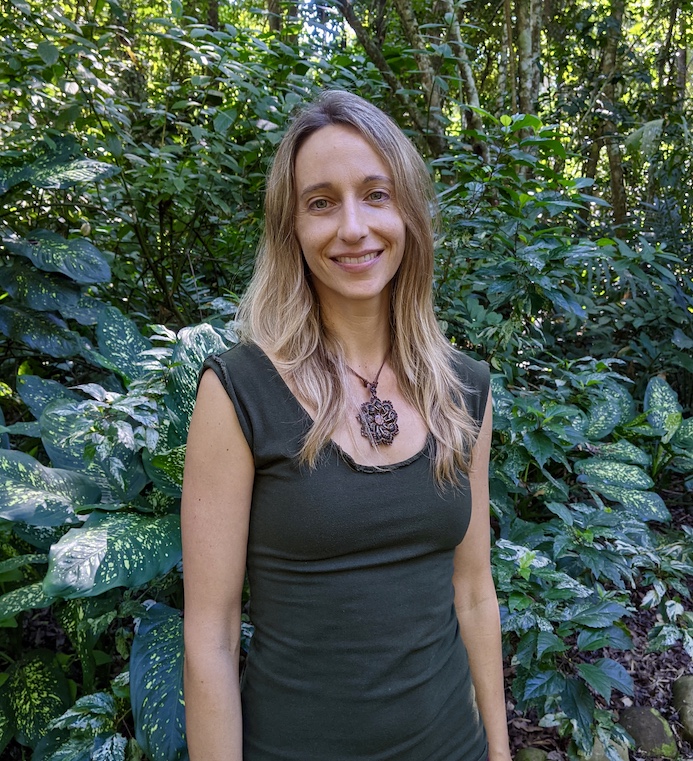
Jill Levers has been passionately writing about Ayahuasca for nearly 20 years, sharing her insights and experiences to inspire and educate others about its profound healing potential. Ayahuasca has played a transformative and central role in her life and work. Her first encounter with sacred medicine in Peru in 2007 marked a profound turning point in her spiritual journey. During her second ceremony, Jill felt a deep calling from Ayahuasca to dedicate her life to helping others heal and transform.
This experience inspired her to co-found the Tierra Vida Healing Center in 2008, which later evolved into the Nimea Kaya Healing Center in 2013. For over 17 years, Jill has served as a bridge between the Western world and the traditional Shipibo culture, organizing Ayahuasca retreats, assisting guests with integration, and supporting individuals on their paths to personal growth and healing.
