
How Plant Medicines Can Heal Emotional Trauma?
In a world increasingly open to holistic healing and mental wellness, ancient plant medicines are resurfacing as powerful tools for emotional healing. From combat veterans to survivors of abuse and individuals with chronic anxiety or depression, people across the globe are turning to sacred plants like Ayahuasca, Psilocybin, Iboga, and San Pedro to help process emotional trauma—especially where traditional therapies fall short.
But how exactly do plant medicines work to heal trauma? Is this just a psychedelic trend, or does science back the deep healing that so many users report?
In this article, we explore how plant medicines interact with the brain, heart, and spirit to promote deep emotional healing—and what precautions should be taken before beginning this transformative journey.
Understanding Emotional Trauma
Emotional trauma occurs when a person is unable to process or integrate a deeply distressing or disturbing experience. This could be caused by events like: childhood abuse or neglect, accidents, violence, war, loss of a loved one, emotional abandonment or betrayal, chronic stress, anxiety, or bullying.
When trauma isn’t fully processed, it can leave psychological scars that manifest as PTSD, depression, anxiety, disassociation, or a deep sense of unworthiness and disconnection. The trauma gets “stored” in the nervous system, creating patterns of emotional pain, fear, or numbing that may last for decades.
Traumas can disrupt a person’s sense of safety, trust, and identity, leading to symptoms like anxiety, depression, emotional numbness, and hypervigilance. Unlike physical wounds, emotional trauma may not be visible but can profoundly impact behavior, relationships, and mental health.
Healing emotional trauma typically requires time, self-awareness, and support through therapy, mindfulness, or holistic approaches like plant medicine or somatic practices.
What Are Plant Medicines?
Plant medicines are natural substances derived from herbs, roots, fungi, or cacti that have been used for centuries by Indigenous cultures for healing and spiritual purposes. The most well-known include:
- Ayahuasca (Amazonian vine + DMT plant)
- Psilocybin mushrooms (magic mushrooms)
- Peyote or San Pedro (mescaline-containing cacti)
- Iboga (African root bark)
- Cannabis (in therapeutic contexts)
These plants often contain psychoactive compounds that induce non-ordinary states of consciousness, where users can explore deeply buried emotions, memories, and subconscious patterns with new clarity.
The Science Behind Healing with Psychedelics
Recent studies show that psychedelics (a category under which many plant medicines fall) can “reset” the brain in unique ways:
1. Disrupting Default Mode Network (DMN)
The DMN is the part of the brain associated with ego, rumination, and self-criticism. Psychedelics temporarily quiet this network, allowing people to step outside their usual thought patterns and view their trauma from a more compassionate, detached perspective.
2. Creating Neuroplasticity
Compounds like psilocybin and DMT promote neuroplasticity—the brain’s ability to form new neural connections. This allows for new ways of thinking and emotional processing, especially in areas frozen by trauma.
3. Accessing Repressed Memories
Plant medicines often bring deeply buried experiences into conscious awareness. Users frequently report vividly reliving past moments—not to be retraumatized, but to witness, grieve, and release them.
4. Stimulating Emotional Catharsis
Many plant medicine journeys involve crying, shaking, purging, or vocal release—physical ways the body lets go of trauma stored in the nervous system. This is often referred to as “somatic release.”
How Plant Medicines Help Heal Emotional Trauma?
1. Facilitating Deep Emotional Release
People often describe their sessions with Ayahuasca or mushrooms as peeling back layers of emotional pain. During ceremonies, they may cry for the first time in years, express anger they never dared to feel, or finally speak words that were stuck inside since childhood.
“I saw the moment I shut down at 9 years old when my parents divorced. I held that pain for 30 years. I cried all night, and the next day, I felt free,” shared one retreat participant.
2. Building Connection to the Inner Child
Trauma often causes a disconnection from one’s inner child—the emotional, innocent, and creative part of ourselves. Plant medicines can reestablish that link, allowing people to revisit past selves, offer comfort, and rewrite painful inner narratives.
3. Spiritual Insight and Meaning Making
Trauma often creates a sense of meaninglessness. Why did this happen to me? Why am I broken? Plant medicines can spark spiritual insight, helping people see a broader, more compassionate view of their suffering.
Some users describe meeting a higher presence, ancestors, or plant spirits who guide them toward forgiveness and understanding. These visions aren’t hallucinations in the typical sense—they’re experienced as deeply real and transformative.
4. Enhancing Therapeutic Work
Many therapists now combine integration therapy with plant medicine experiences. A guided Ayahuasca journey, for instance, can help unlock buried content that a client can then explore safely with a trauma-informed therapist.
Psilocybin-assisted therapy is also being trialed in clinical settings for PTSD, depression, and end-of-life anxiety, with remarkably positive results.
Precautions Before Using Plant Medicine for Trauma
Though the healing potential is significant, plant medicine is not a quick fix. It must be approached with care, respect, concerned expertise and proper support.
Important Considerations:
- Medical Screening: Some plant medicines can interact negatively with medications (especially SSRIs or MAOIs) or exacerbate psychiatric conditions like schizophrenia.
- Mental Health Stability: People with untreated psychosis, mania, or dissociative disorders should not take plant medicine without professional oversight.
- Experienced Guidance: Work only with reputable facilitators or shamans with experience in trauma-sensitive care. The setting (known as “set and setting”) can make or break the experience.
- Integration is Essential: One powerful session is not the end—integration therapy, journaling, and continued emotional work are key to making the insights last.
Cultural Respect and Ethical Use
Many of these plant medicines come from Indigenous traditions that deserve respect, protection, and acknowledgment. Ethical use includes:
- Supporting retreat centers that give back to local communities.
- Not exploiting Indigenous knowledge or appropriating ceremonial tools.
- Being mindful of ecological sustainability—especially for endangered plants like Peyote and Iboga.
Some Real Stories of Healing
Many people who were “stuck” in their healing journey report life-changing results after working with plant medicines:
- A war veteran with PTSD said Ayahuasca helped him feel compassion for himself and his enemies for the first time in 15 years.
- A woman with complex childhood trauma described mushrooms as “the mirror that let me grieve what I couldn’t name.”
- A man with decades of depression found joy and purpose again after working with San Pedro cactus in a guided retreat.
To Summarize:
Anybody curious should bear in mind that, Plant medicines hold incredible potential to help people process and release emotional trauma, especially when approached with care, respect, and professional support. They don’t erase the past—but they can help rewrite the meaning we give to it, allowing us to reclaim our power and reconnect with the parts of ourselves long forgotten.
These medicines often bring repressed memories and emotions to the surface, enabling individuals to process pain, release stored energy, and gain profound insights. When used responsibly in a safe, guided setting with proper integration, plant medicine can complement traditional therapy by addressing trauma at emotional, somatic, and spiritual levels, fostering holistic and lasting healing.
If you’re considering plant medicine as a tool for emotional healing, remember:
- Research well
- Go slow.
- Prepare thoroughly.
- Choose your guide and setting wisely.
- Prioritize integration.
- And always treat the plants—and the cultures that preserved them—with reverence.
“The medicine showed me that I wasn’t broken. I was wounded—and now, I’m healing.”
About the Author – Jill LEvers
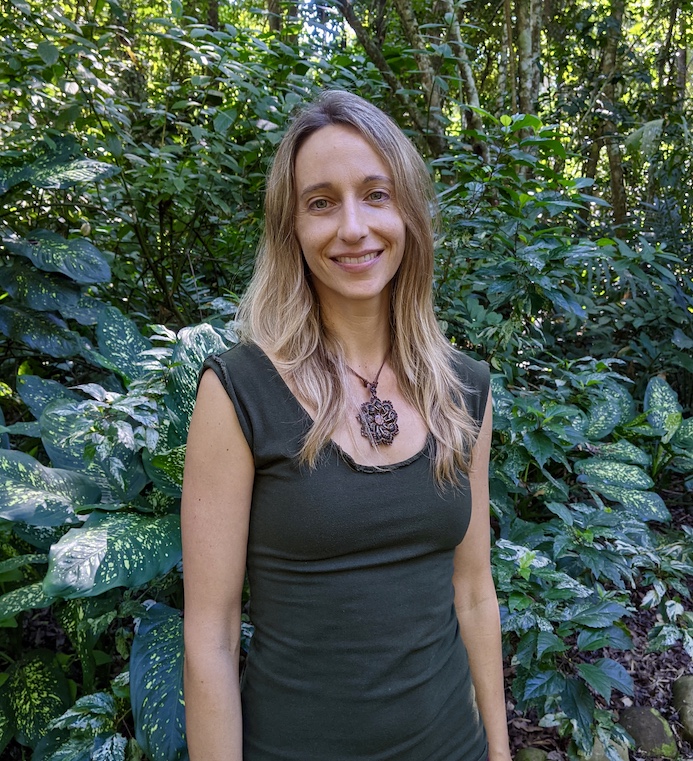
Jill Levers has been passionately writing about Ayahuasca for nearly 20 years, sharing her insights and experiences to inspire and educate others about its profound healing potential. Ayahuasca has played a transformative and central role in her life and work. Her first encounter with sacred medicine in Peru in 2007 marked a profound turning point in her spiritual journey. During her second ceremony, Jill felt a deep calling from Ayahuasca to dedicate her life to helping others heal and transform.
This experience inspired her to co-found the Tierra Vida Healing Center in 2008, which later evolved into the Nimea Kaya Healing Center in 2013. For over 17 years, Jill has served as a bridge between the Western world and the traditional Shipibo culture, organizing Ayahuasca retreats, assisting guests with integration, and supporting individuals on their paths to personal growth and healing.
