

Ibogaine vs. Ayahuasca: How Do They Differ?
An In-Depth Comparison of Two Powerful Plant Medicines
The use of plant medicines for healing trauma, ending addiction, and exploring consciousness has always generated curiosity and gained considerable attention worldwide. Among some of the most powerful and talked-about plant-based psychedelics are Ibogaine and Ayahuasca. While both substances are deeply transformative and spiritually intense, they are fundamentally different in origin, effect, usage, and application.
This blog post explores the key differences between Ibogaine vs. Ayahuasca, highlighting their origins, mechanisms, therapeutic uses, risks, and spiritual significance.
Whether you are seeking healing or are simply curious, this guide will help you understand each plant—and which one may be better suited to your personal journey.
What is Ibogaine?
Ibogaine is a naturally occurring psychoactive compound found in the root bark of the Tabernanthe iboga plant, native to West Africa. It is traditionally used in Bwiti ceremonies in countries like Gabon and Cameroon for spiritual initiation and healing.
Ibogaine has gained global attention primarily for its remarkable ability to interrupt addiction, particularly opioid dependency. It is often administered in clinical or retreat settings under medical supervision due to its powerful and sometimes physically taxing effects.
What is Ayahuasca?
Ayahuasca is a sacred Amazonian brew made from two main plants: Banisteriopsis caapi (a vine containing harmala alkaloids) and Psychotria viridis (a leaf containing DMT—dimethyltryptamine). Indigenous tribes across Peru, Brazil, and Colombia have used Ayahuasca in shamanic ceremonies for healing, divination, and spiritual insight for centuries.
Ayahuasca has become globally recognized for helping people heal from trauma, depression, anxiety, and even addiction, though its primary offering is often described as emotional and spiritual awakening.
Looking to explore Ayahuasca in a safe, ceremonial space? Discover our ethical approach to plant medicine at Nimea Kaya.
Key Differences Between Ibogaine and Ayahuasca
Below is a detailed comparison based on several important factors:
1. Origin and Cultural Use
| Feature | Ibogaine | Ayahuasca |
| Region | West Africa (Gabon, Cameroon) | Amazon Rainforest (Peru, Brazil) |
| Cultural Tradition | Bwiti spiritual initiation | Shamanic healing and vision quests |
| Traditional Use | Rite of passage, healing, contact with ancestors | Spiritual guidance, cleansing, healing |
Ibogaine is used in long rituals that may last multiple days and involve music, dance, and intense introspection.
Ayahuasca is typically taken in a night ceremony, guided by a shaman (curandero), with icaros (healing songs) and, in a group setting.
2. Mechanism of Action
| Feature | Ibogaine | Ayahuasca |
| Active Compound | Ibogaine alkaloid | DMT + Harmine/THH (MAOIs) |
| Duration | 12 to 36 hours | 4 to 8 hours |
| Onset Time | Slow (1–3 hours) | Fast (20–60 minutes) |
Ibogaine works on multiple neurotransmitter systems, including dopamine, serotonin, NMDA, and opioid receptors. This is partly why it’s so effective in treating addiction.
Ayahuasca’s MAOI content allows the DMT to become orally active, leading to vivid visions, emotional catharsis, and spiritual insight.
3. Experience and Effects
Ibogaine Experience:
- Introspective, internalized journey
- Often described as a “waking dream” state
- Minimal visual hallucinations
- Strong physical effects: ataxia (loss of coordination), nausea, fatigue
- Deep life review—many report seeing their past vividly
- Can feel emotionally detached but mentally intense
Ayahuasca Experience:
- Visionary, emotionally immersive
- Rich, visual hallucinations—jungle imagery, sacred geometry, spirit beings
- Emotional purging through crying, vomiting (la purga)
- Strong sense of communion with nature or divinity
- Can be both physically taxing and emotionally overwhelming
4. Therapeutic Uses (comparison rating on a scale of five)
| Condition | Ibogaine | Ayahuasca |
| Addiction (esp. opioids) | ★★★★★(highly effective) | ★★★★☆(effective with support) |
| PTSD / Trauma | ★★★★☆ | ★★★★★ (very effective) |
| Depression / Anxiety | ★★★★☆ | ★★★★★ |
| Spiritual growth | ★★★★☆ | ★★★★★ |
Ibogaine is often considered the go-to plant medicine for addiction recovery, especially for opiates, alcohol, and stimulants. It significantly reduces withdrawal symptoms and cravings, sometimes after just one session.
Ayahuasca, while also helpful for addiction, tends to focus more on emotional healing, childhood trauma, and spiritual awakening. It is particularly popular among people seeking deep inner clarity and emotional release.
5. Safety and Risks
| Risk Factor | Ibogaine | Ayahuasca |
| Heart Issues | High risk (cardiotoxic, requires ECG) | Low risk (unless mixed with SSRIs) |
| Medical Supervision | Mandatory in most cases | Advised, especially with mental health conditions |
| Purging | Rare, but possible | Common (vomiting, diarrhoea) |
| Fatality Risk | Exists if unscreened (due to heart issues) | None unless mixing with contraindicated medications or substances. |
Ibogaine can stress the cardiovascular system, which makes medical screening and supervision non-negotiable. There have been fatalities associated with unregulated use.
Ayahuasca is physically safer, though it should never be combined with antidepressants (SSRIs) or certain medications due to MAOI interactions.
6. Legal Status
| Country / Region | Ibogaine | Ayahuasca |
| USA | Schedule I (illegal) | DMT is Schedule I; Legal implications applicable with few exceptions |
| Canada / UK | Illegal | Illegal (but tolerated in rare spiritual contexts) |
| Mexico / Brazil / Peru | Legal or decriminalized in retreats | Legal in shamanic and spiritual settings |
Both substances are subjected to legal implications. However, it can be assumed that Ayahuasca is more widely accepted in spiritual and religious contexts. Whereas, Ibogaine retreats often operate in Mexico, South Africa, and New Zealand under medical models.
Ibogaine vs. Ayahuasca: Which One is Right for You?
There is no specific manual, however, general guidelines can be listed as below:
- You may Choose Ibogaine if:
- You’re seeking a reset from hard addiction
- You want to face your past analytically and thoroughly
- You are prepared for a long, sometimes uncomfortable experience
- You can access medical supervision and support afterward
You may Choose Ayahuasca if:
- You’re looking for emotional healing or spiritual growth
- You want a more visionary and connected experience
- You’re open to purging, surrender, and working with a shaman
- You are mentally stable or supported during integration
Integration: The Real Work Begins After the Ceremony
Regardless of which plant medicine you choose, integration is crucial. These powerful journeys can reveal trauma, challenge your identity, and open spiritual dimensions. Without proper guidance afterward, confusion or relapse can occur.
Integration support may include:
- Therapy (especially trauma-informed)
- Support groups or community circles
- Meditation, yoga, breathwork
- Journaling and dream analysis
- Working with a coach or facilitator
Both Ibogaine and Ayahuasca are tools, not cures. Their power lies not just in what they show you—but in how you respond and grow afterward.
Remember the basic tenet is, “Different Medicines for Different Goals”
Ibogaine and Ayahuasca are not interchangeable. Though both are powerful plant allies, they serve different healing purposes. Ibogaine is like a deep, clinical surgeon that extracts addiction at its roots. Ayahuasca is more like a wise grandmother, teaching through visions, emotion, and song.
Understanding their differences in origin, mechanism, effect, and risk can help you make an informed decision. Whether you choose Ibogaine or Ayahuasca, always research well, know your requirements clearly, respect the medicine, look for the best guidance and subject-matter expert, prepare yourself properly, and, lastly, focus on integration to ensure lasting transformation.
Are you considering a journey with Ibogaine or Ayahuasca? Do your research, work with reputable guides, and prioritize safety.
Healing is a path—not a shortcut.
Let the medicine guide you, but let wisdom and intention anchor you.
About the Author – Jill LEvers
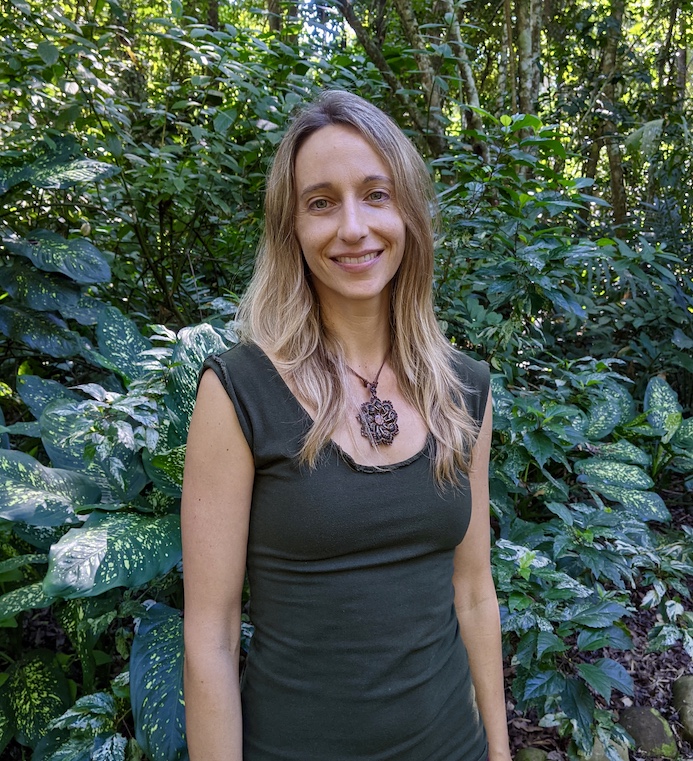
Jill Levers has been passionately writing about Ayahuasca for nearly 20 years, sharing her insights and experiences to inspire and educate others about its profound healing potential. Ayahuasca has played a transformative and central role in her life and work. Her first encounter with sacred medicine in Peru in 2007 marked a profound turning point in her spiritual journey. During her second ceremony, Jill felt a deep calling from Ayahuasca to dedicate her life to helping others heal and transform.
This experience inspired her to co-found the Tierra Vida Healing Center in 2008, which later evolved into the Nimea Kaya Healing Center in 2013. For over 17 years, Jill has served as a bridge between the Western world and the traditional Shipibo culture, organizing Ayahuasca retreats, assisting guests with integration, and supporting individuals on their paths to personal growth and healing.
