
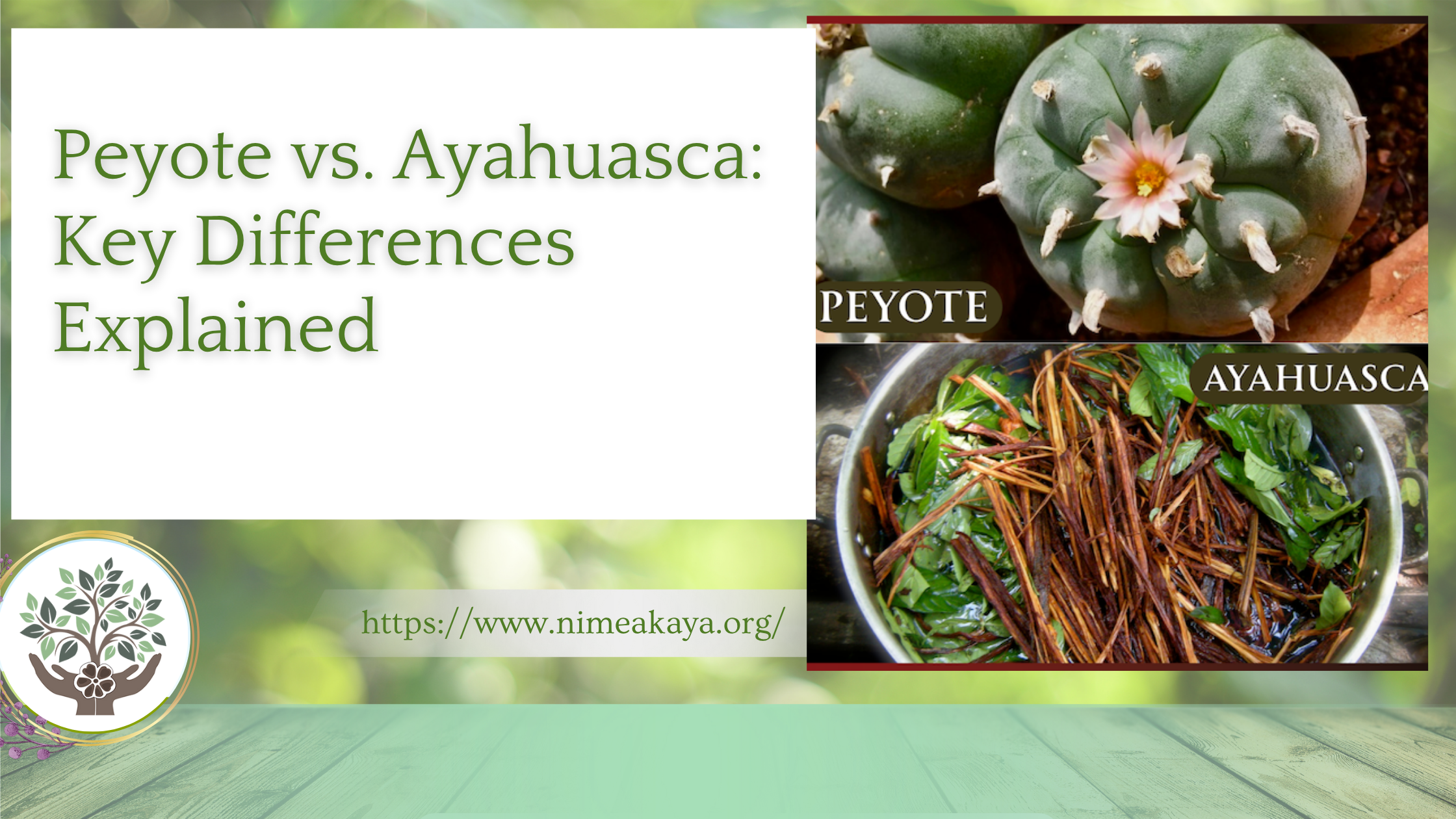
Peyote vs. Ayahuasca: Key Differences Explained
In recent years, a growing number of spiritual seekers, trauma survivors, and curious explorers have turned to ancient plant medicines for insight, healing, and transformation.
Among the most discussed and revered are Peyote and Ayahuasca—two sacred entheogens used ceremonially by Indigenous cultures for centuries. Though often mentioned in the same breath, Peyote and Ayahuasca are fundamentally different in origin, effects, chemistry, and ceremonial context.
Whether you’re considering a journey with either plant or simply seeking to understand the distinctions, this blog post explains the key differences between Peyote and Ayahuasca, their cultural roots, effects on consciousness, legality, and safety considerations.
What is Peyote?
Peyote is a small, spineless cactus (Lophophora williamsii) native to the southwestern United States and northern Mexico. It contains mescaline, a naturally occurring psychedelic compound that induces altered states of consciousness.
For thousands of years, Peyote has been used by Indigenous peoples—such as the Huichol, Tarahumara, and members of the Native American Tribes—in sacred rituals. These ceremonies are often long, prayerful, and deeply rooted in spiritual tradition, emphasizing communion with the divine, healing, and community.
What is Ayahuasca?
Ayahuasca is a powerful Amazonian brew traditionally made by combining two plants: the Banisteriopsis caapi vine (which contains MAOIs) and Psychotria viridis (a source of DMT). Together, they create a psychoactive tea that is said to open gateways to higher consciousness, inner healing, and visionary experiences.
Ayahuasca is typically used in ceremonial settings led by trained shamans or facilitators, particularly in countries like Peru, Brazil, and Colombia. It has been used by Indigenous tribes like the Shipibo-Conibo and the Ashaninka for centuries, and today, is central to a growing number of spiritual retreats and therapeutic communities around the world.
The brew often brings up what’s hidden, unresolved, or painful—and that’s where the healing begins.
Chemical Composition and Effects
| Feature | Peyote | Ayahuasca |
|---|---|---|
| Active compound | Mescaline | DMT + MAOIs |
| Class of substance | Phenethylamine hallucinogen | Tryptamine hallucinogen |
| Onset time | 1–2 hours | 20–60 minutes |
| Duration | 8–12 hours | 4–6 hours |
| Sensory effects | Visuals, heightened colors, euphoria | Intense visions, dream-like sequences |
| Emotional experience | Heart-opening, connection to Earth | Deep introspection, ego dissolution |
Mescaline tends to be gentler and more euphoric, often described as promoting a “heart-opening” experience with emotional clarity and heightened appreciation for nature.
Ayahuasca, on the other hand, is known for more intense emotional purging, vivid inner journeys, and contact with archetypal or spiritual beings.
The Ceremonial Experience
Peyote Ceremony
- Typically lasts all night, from sundown to sunrise.
- Conducted in a circle, often with drumming, singing, and shared prayers.
- Participants may chew dried buttons or drink a tea made from the cactus.
- Emphasis on community healing, honoring ancestors, and sacred songs.
Ayahuasca Ceremony
- Usually held in the traditional ceremonial spaces with indigenous architecture and, led by a shaman or facilitator.
- Participants drink the bitter brew, then sit or lie down to go inward.
- The ceremony is accompanied by icaros (healing songs), guided silence, and often periods of vomiting (known as la purga).
- Focus is often on personal healing, shadow work, and spiritual insight.
Cultural & Geographic Origins
| Plant | Peyote | Ayahuasca |
| Region | North America (Mexico, U.S. Southwest) | South America (Peru, Brazil, Colombia) |
| Indigenous use | Native American communities, Huichol, others | Shipibo-Conibo, Ashaninka, Santo Daime traditions |
| Spiritual focus | Prayer, connection to Earth and Spirit | Healing, vision, communion with spirit world |
Peyote ceremonies often integrate Native American traditions, whereas Ayahuasca ceremonies are rooted in Amazonian cosmology and often include plant spirit teachings, soul retrieval, and ancestor connection.
Legal Status: Peyote vs. Ayahuasca
- Peyote is a Schedule I substance in the U.S., but members of the Native American Church are allowed to use it legally in religious ceremonies.
- Ayahuasca is illegal in many countries due to the presence of DMT. However, some countries (like Peru and Brazil) permit its religious and ceremonial use.
- In places like the U.S., some churches and religious groups (e.g., Santo Daime, UDV) have obtained legal protection to use Ayahuasca under the Religious Freedom Restoration Act.
Always research local laws before considering participation in any ceremony.
Safety Considerations
While both Peyote and Ayahuasca are considered physiologically safe when used responsibly, they can be psychologically intense and must be approached with care.
Common side effects:
Peyote: Nausea, vomiting, dizziness, altered perception of time.
Ayahuasca: Purging (vomiting or diarrhea), emotional catharsis, anxiety, dissociation.
Medical precautions:
Ayahuasca can be dangerous when mixed with SSRIs, MAOIs, or psychiatric medications.
People with heart conditions, schizophrenia, or untreated trauma should avoid both substances without medical clearance.
Above all, working with trained facilitators or traditional healers is crucial. These are not party drugs or casual experiences—they are sacred medicines.
Which One Is “Better”?
There’s no simple answer—it depends on your intention, cultural connection, and readiness. Generally, it suggested to:
Choose Peyote if you’re seeking a gentler, community-based experience with a focus on grounded heart connection and communion with nature.
Choose Ayahuasca if you feel called to deep emotional or spiritual healing, are open to intense inner journeys, and are prepared for psychological confrontation and transformation.
To Conclude, Always Respect the Plants, Respect the Culture
Both Peyote and Ayahuasca are sacred to the Indigenous communities that have preserved their ceremonial use for centuries. As global interest grows, it’s important to approach these medicines with humility, respect, and cultural awareness. This includes:
- Avoiding exploitation or casual tourism.
- Supporting ethical retreat centers that give back to local communities.
- Being mindful of plant sustainability—Peyote is endangered in the wild.
These aren’t “trips” for thrill-seeking. They are spiritual medicines—gateways to healing, learning, and connection to something greater than ourselves.
Short Summary : Peyote vs. Ayahuasca
| Category | Peyote | Ayahuasca |
| Origin | North Mexico & U.S. Southwest | Amazon rainforest |
| Key compound | Mescaline | DMT + MAOIs |
| Duration | 8–12 hours | 4–6 hours |
| Ceremonial setting | All-night prayer circle | Shaman-led night ceremony |
| Emotional tone | Grounding, euphoric, heart-opening | Introspective, purgative, transformative |
| Legal status | Restricted; legal for Native American Church | Illegal in most countries; some religious use |
| Common risks | Nausea, emotional intensity | Purging, drug interactions, mental distress |
| Sustainability | Threatened species | Still sustainable when ethically sourced |
Peyote and Ayahuasca both offer profound paths for those called to plant medicine. They are not shortcuts or escape routes—they are sacred invitations to face yourself, connect with spirit, and return changed. If you’re considering this path, walk it with intention, knowledge, and reverence.
About the Author – Jill LEvers
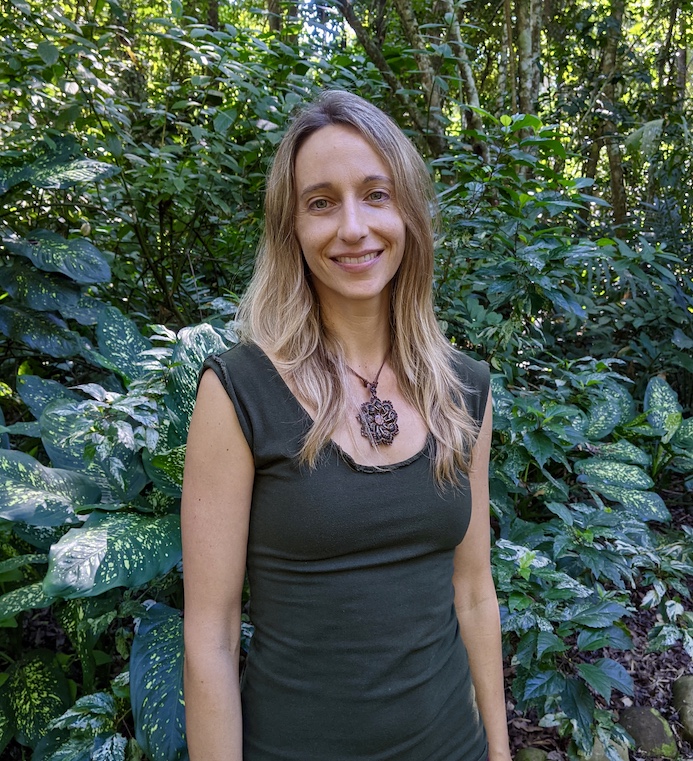
Jill Levers has been passionately writing about Ayahuasca for nearly 20 years, sharing her insights and experiences to inspire and educate others about its profound healing potential. Ayahuasca has played a transformative and central role in her life and work. Her first encounter with sacred medicine in Peru in 2007 marked a profound turning point in her spiritual journey. During her second ceremony, Jill felt a deep calling from Ayahuasca to dedicate her life to helping others heal and transform.
This experience inspired her to co-found the Tierra Vida Healing Center in 2008, which later evolved into the Nimea Kaya Healing Center in 2013. For over 17 years, Jill has served as a bridge between the Western world and the traditional Shipibo culture, organizing Ayahuasca retreats, assisting guests with integration, and supporting individuals on their paths to personal growth and healing.
