
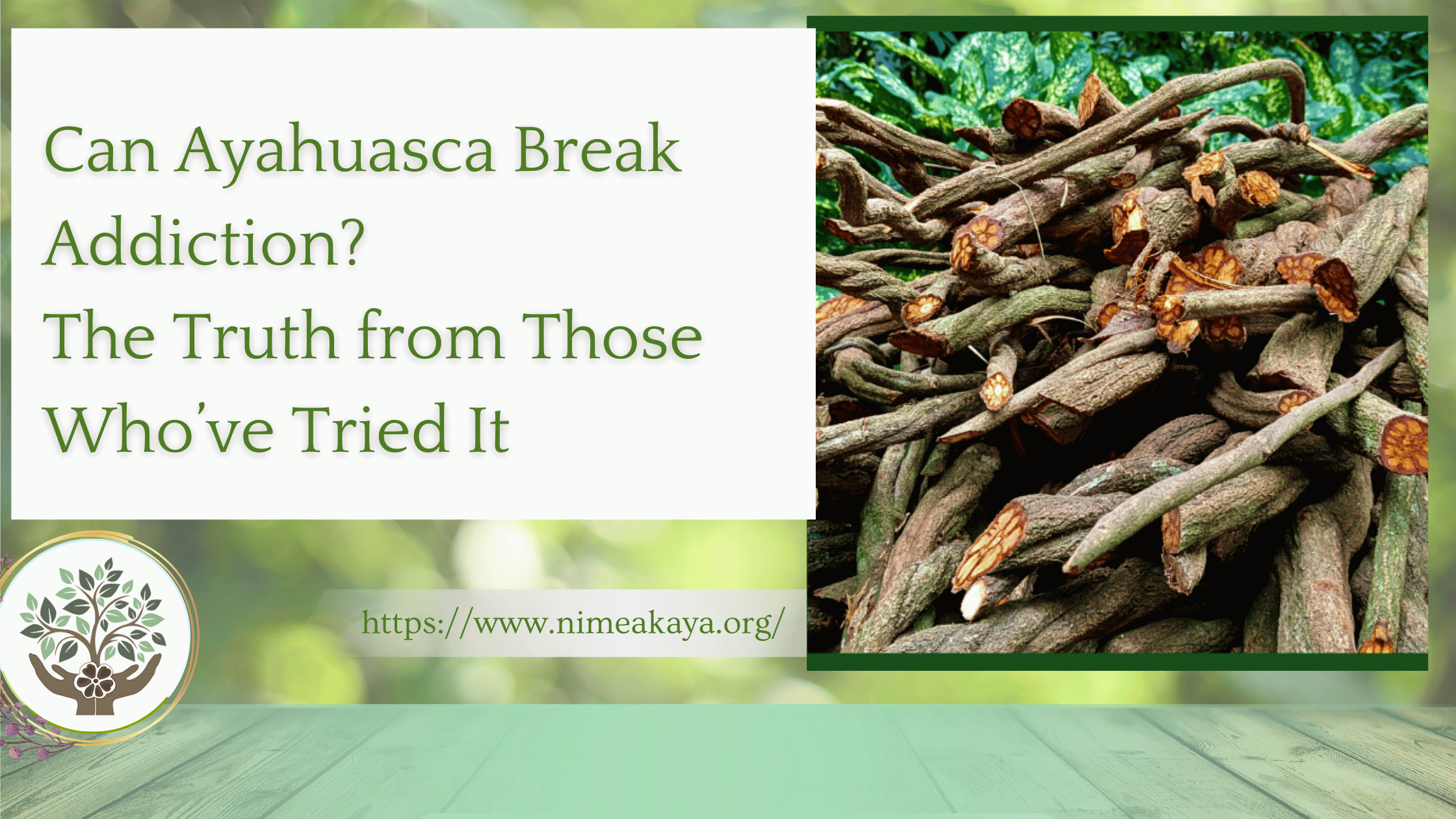
Can Ayahuasca Break Addiction? The Truth from Those Who’ve Tried It
Addiction can feel like an unending cycle, a trap—whether it’s to alcohol, drugs, or even destructive behaviors. Traditional therapies and rehabilitation programs help many people, but others continue to search for alternatives when conventional methods don’t work. One alternative that has gained global attention in recent years is Ayahuasca, a powerful plant medicine from the Amazon rainforest.
Ayahuasca isn’t just another trend. It’s a sacred brew that indigenous communities have used for thousands of years for healing, spiritual growth, and connection with the divine. Now, people worldwide are asking: Can Ayahuasca break addiction?
The answer is complex, deeply personal, and full of both promise and caution. In this article, we’ll explore what Ayahuasca is, how it relates to addiction treatment, and the truth from people who’ve experienced its power.
What Is Ayahuasca?
Ayahuasca is a brew made from two main plants:
- Banisteriopsis caapi (the vine) – contains harmala alkaloids that act as MAO inhibitors.
- Psychotria viridis (chacruna leaves) – contains DMT, a naturally occurring psychedelic compound.
Together, these plants create a psychoactive medicine that induces intense visions, emotional release, and deep introspection. Indigenous shamans in Peru, Brazil, and Colombia have used Ayahuasca for centuries as a tool for healing both body and spirit.
Addiction Through the Lens of Plant Medicine
Addiction is often seen as a purely medical or psychological condition—something that can be treated through detox, medication, and therapy. But from the perspective of many Amazonian traditions, addiction is more than just a physical dependency. It’s viewed as a spiritual and emotional imbalance, a disconnection from self, nature, and community.
This is where Ayahuasca differs from conventional approaches. Instead of treating only the symptoms of addiction, Ayahuasca invites participants to explore and realize the root causes—whether it be trauma, unresolved pain, or deep-seated fears.
How Ayahuasca May Help with Addiction?
1. Trauma Confrontation: Many people struggling with addiction carry unresolved trauma. Ayahuasca can bring buried memories and emotions to the surface, allowing individuals to face and release them in a supportive environment.
2. Purging and Cleansing: Ayahuasca ceremonies often involve physical purging—vomiting, crying, sweating—which is seen as a form of physical, emotional and energetic cleansing. For those battling addiction, this process can symbolize letting go of toxins, cravings, and self-destructive patterns.
3. Shifting Perspective: Participants frequently describe Ayahuasca as a teacher or guide. The brew may help people see their lives, choices, and addictions from a new perspective, fostering compassion for themselves and motivating them to change, driven by deeper realization.
4. Neuroscientific Insights: Early research suggests Ayahuasca may influence brain regions related to decision-making, emotional regulation, and addiction pathways. While studies are still limited, some neuroscientists believe it could help “reset” patterns of compulsive behavior.
Stories from Those Who’ve Tried It
Alcohol Recovery: Some individuals report that after Ayahuasca ceremonies, their cravings for alcohol drastically diminished or disappeared altogether. One participant described it as “feeling like the desire had been pulled out at the root.”
Drug Dependency: Others who struggled with opioids or cocaine have shared that Ayahuasca gave them the strength to face painful truths, which traditional rehab alone could not unlock.
Behavioral Addictions: People have also turned to Ayahuasca for help with gambling, food, pornagraphy, or even unhealthy relationships, finding clarity about why they felt trapped in destructive cycles.
It’s important to note that while there are countless personal success stories, Ayahuasca is not a guaranteed cure. Relapse can still occur, and lasting recovery depends on integration and ongoing support after ceremonies.
The Risks and Realities
While Ayahuasca holds potential, it is not without risks:
Physical Risks: Ayahuasca can interact dangerously with antidepressants, certain medications, or health conditions like heart problems and epilepsy.
Psychological Risks: The visions and emotions can be overwhelming, sometimes triggering anxiety, panic, or psychotic breaks in vulnerable individuals.
Legal Risks: Ayahuasca is illegal in many countries, including the UK and the US (outside specific religious exemptions). Participating where it is banned carries legal consequences.
Because of these risks, responsible preparation and guidance are essential.
Precautionary Practices Before Considering Ayahuasca
- Medical Assessment– Disclose your full medical history to facilitators. Avoid Ayahuasca if you are taking antidepressants, have heart conditions, or suffer from severe mental illnesses.
- La Dieta (Preparation Diet) – Many traditions recommend avoiding alcohol, processed foods, pork, and sexual activity before ceremonies. This purifies the body and mind.
- Mental Preparedness – Be prepared for difficult emotional work. Ayahuasca is not a shortcut but a demanding process.
- Integration Support – Healing requires post-ceremony integration—therapy, journaling, meditation, or support groups to anchor the lessons into daily life.
Why Ayahuasca Isn’t a Quick Fix?
One of the most important truths: Ayahuasca is not a magic cure for addiction. While it can provide profound breakthroughs, true recovery requires continued effort, discipline, and support after the ceremony.
Think of Ayahuasca as a doorway—it may open new perspectives and possibilities, but you must walk the path yourself.
The Role of an Experienced Facilitator (Shaman)
Perhaps the most crucial element in working with Ayahuasca is the guidance of an experienced facilitator or shaman.
- Holding Space: A trained shaman creates a safe and sacred environment where participants can navigate intense experiences.
- Traditional Knowledge: They bring centuries-old wisdom, including sacred songs (icaros), rituals, and protection practices that guide the healing process.
- Safety Monitoring: A skilled facilitator ensures participants’ physical safety, responds to emergencies, and provides emotional reassurance.
- Integration Guidance: Many shamans or facilitators continue supporting participants after the ceremony, helping them apply lessons to everyday life.
Without expert guidance, the risks of confusion, overwhelm, or even harm increase significantly.
The Conclusion
So, can Ayahuasca break addiction? The truth is both yes and no. For some, Ayahuasca has been life-changing—breaking cycles of substance abuse or destructive patterns when all else failed. For others, it has been a powerful step but not a complete solution.
What’s clear is that Ayahuasca works not by numbing symptoms but by addressing root causes—trauma, disconnection, and emotional wounds. But this journey requires courage, preparation, integration, and above all, the guidance of experienced facilitators.
If you’re considering Ayahuasca for addiction recovery, remember: the medicine may open the door, but you are the one who must walk through it.
Disclaimer: This blog is for informational and educational purposes only. It does not encourage or promote the illegal use of Ayahuasca. Ayahuasca contains psychoactive compounds and should only be used legally, in countries where it is permitted, and under the supervision of experienced facilitators or shamans. Always consult with medical professionals before considering any treatment for addiction.
If you’re struggling with addiction and feel drawn to Ayahuasca, do thorough research. Seek out authentic, ethical retreat centers, consult medical professionals, and prepare yourself mentally and spiritually. Most importantly, ensure you work only with trusted shamans or facilitators who can guide you safely through the journey.
Healing is possible—but the true medicine lies not only in Ayahuasca, but in how you choose to live each day with awareness, courage, and compassion.

