

Ayahuasca vs Yagé: The Shocking Differences No One Tells You About
For centuries, indigenous tribes of the Amazon have turned to sacred plant medicines for healing, spiritual guidance, and connection to the unseen realms.
Among the most well-known are Ayahuasca and Yagé. At first glance, many people assume they are the same thing—just different names for the same brew. While it’s true they share common ingredients and cultural roots, there are also subtle yet shocking differences in preparation, purpose, and experience that often go unnoticed.
In this blog post, we’ll go through the similarities and differences between Ayahuasca and Yagé, explore what makes each medicine unique, and discuss important safety and ethical considerations.
By the end, you’ll have a clearer understanding of why these sacred plants are revered—and why they must always be approached with respect.
Ayahuasca: The Vine of the Soul
Ayahuasca is a sacred Amazonian brew traditionally made from two main plants:
Banisteriopsis caapi (the vine) – contains harmala alkaloids, which are MAOIs that make the brew orally active.
Psychotria viridis (chacruna leaves) – contains DMT (dimethyltryptamine), a naturally occurring psychedelic compound.
The name Ayahuasca comes from the Quechua language, roughly translated as “vine of the soul” or “vine of the dead.” It has been used by Amazonian shamans for thousands of years for healing, spiritual awakening, and communication with the spirit world.
The experience of Ayahuasca is often described as intense, visionary, and deeply transformative. Participants may encounter powerful visuals, confront unresolved trauma, undergo emotional purging, and connect to what many describe as a higher intelligence or spiritual presence, often referred to as “the grandmother spirit.”
If you feel called to explore Ayahuasca in a safe and traditional retreat setting, Nimea Kaya offers guided ceremonies led by experienced facilitators.
Yagé: Colombia’s Sacred Brew
Yagé is another sacred brew, also originating from the Amazon basin—especially in Colombia and Ecuador. Like Ayahuasca, Yagé also uses the Banisteriopsis caapi vine as its base. However, the admixture plants can be quite different. Instead of only relying on Psychotria viridis, shamans preparing Yagé may add other plants, such as:
Diplopterys cabrerana (chagropanga leaves) – another DMT-containing plant, but with a slightly different chemical composition.
Other local admixtures, depending on the tradition and intention of the ceremony.
In Colombian traditions, the word Yagé carries spiritual significance, often tied to indigenous cosmology and ritual. While chemically similar to Ayahuasca, Yagé is more than just a variant—it’s part of a distinct lineage of healing practices with its own symbolism, rituals, and cultural context.
Curious about how different traditions shape the experience? At Nimea Kaya, we honor cultural roots within the Shipibo lineage while holding space for authentic healing journeys.
Ayahuasca vs. Yagé: The Common Ground
Before moving onto the differences, it’s important to acknowledge what these two medicines share in common:
- The Vine of the Soul – Both are brewed with the Banisteriopsis caapi vine.
- Entheogenic Properties – Both open the doorway to altered states of consciousness, visions, and deep introspection.
- Ceremonial Use – Neither is a recreational substance. They are meant to be taken in ritual contexts, often led by shamans, healers, or curanderos.
- Healing and Spiritual Guidance – Both are used to treat emotional wounds, provide clarity, and foster spiritual connection.
At a surface level, it’s easy to blend them and assume them to be the same. However, here’s where the shocking differences begin to appear.
The Surprising Differences Between Ayahuasca and Yagé
1. The Admixture Plants
- Ayahuasca most commonly uses Psychotria viridis, which has a specific balance of alkaloids that shape the experience.
- Yagé often incorporates Diplopterys cabrerana or other plants, which can make the brew chemically distinct and potentially more potent.
This seemingly small difference can dramatically shift the tone, intensity, and visuals of the experience.
2. Cultural and Spiritual Context
- Ayahuasca is strongly associated with Peruvian, Brazilian, and pan-Amazonian shamanic practices.
- Yagé is deeply tied to Colombian traditions, where it’s not just a medicine but also a cultural symbol of spiritual guidance and communal healing.
For indigenous communities in Colombia, Yagé ceremonies are often more collective and socially embedded, sometimes involving whole villages rather than small groups of seekers.
3. Energetic Qualities
Participants often describe:
- Ayahuasca as carrying the energy of the “grandmother”—nurturing, wise, but at times stern and challenging.
- Yagé as sharper, more forceful, and sometimes more difficult to navigate. Its visions can be highly symbolic and connected to the cosmology of Colombian tribes.
This means your experience might not only depend on chemistry but also on the cultural container in which the brew is shared.
4. Preparation and Rituals
- Ayahuasca ceremonies often involve icaros (sacred songs), traditional diets, and a structured ceremonial space.
- Yagé ceremonies can include drumming, chanting, and communal sharing, with variations depending on the tribe and lineage of the healer.
The ritual environment plays a crucial role in shaping how the medicine is experienced.
5. Legal and Social Acceptance
- Ayahuasca has gained global recognition, with retreat centers in Peru, Brazil, and even in Western countries under certain exemptions.
- Yagé remains less commercialized and is more often encountered within Colombian indigenous traditions, making it harder to access for outsiders.
For some seekers, this makes Yagé feel more “authentic” and less influenced by tourism, though this also raises ethical concerns about cultural appropriation.
Which Is Stronger: Ayahuasca or Yagé?
This is one of the most common questions—but the truth is, strength depends on context.
- Chemically, Yagé with Diplopterys cabrerana can be more potent, leading to stronger visions and purging.
- Spiritually, Ayahuasca’s grandmother’s energy is often considered more nurturing, while Yagé can feel more intense and direct.
Ultimately, the perceived “strength” lies not just in the plants but in your intention, the shaman’s skill, and the ceremonial setting.
Strength isn’t about the plants alone—it’s about your intention, readiness, and the ceremonial space. At Nimea Kaya, we help you prepare for whichever path is calling you.
Preparing for the Journey: Safety First
Both Ayahuasca and Yagé are powerful entheogens that demand respect. Here are essential safety guidelines:
- Medical Screening – Avoid these medicines if you have heart conditions, epilepsy, severe mental illnesses (like schizophrenia), or are on antidepressants (especially SSRIs).
- Qualified Facilitators – Work only with experienced shamans or facilitators who prioritize safety and respect cultural traditions.
- Legal Considerations – In most countries, both Ayahuasca and Yagé are illegal. Only participate in ceremonies where they are legally sanctioned.
- Preparation (La Dieta) – Many traditions require participants to follow a pre-ceremony diet (avoiding alcohol, pork, processed foods, and sexual activity) to purify body and mind.
- Integration – The ceremony is just the beginning. True healing comes from integrating insights into daily life through meditation, therapy, journaling, or community support.
At Nimea Kaya, preparation, safety, and integration are at the heart of every retreat.
For more information read our detailed blog on How to Prepare for Ayahuasca Retreat?
The Soul’s Doorway: Which Medicine Is Yours?
If you are drawn to these medicines, the choice between Ayahuasca and Yagé may depend on:
- Your Intention: Do you seek gentle wisdom and nurturing guidance? Ayahuasca may be the path. Do you feel called to intense visions and Colombian cosmology? Yagé may resonate more.
- Your Readiness: Are you prepared for potential physical purging and intense spiritual confrontation?
- Your Respect for Tradition: Each medicine carries thousands of years of cultural heritage. Approach them with humility, not as “psychedelic experiences” but as sacred teachers.
Both Ayahuasca and Yagé can open profound doors to healing and spiritual awakening—but the journey requires courage, surrender, and respect.
Walking Away With Wisdom
While Ayahuasca and Yagé may appear similar, there are significant differences. From the admixture plants to cultural traditions, to the energies they carry, each medicine offers a distinct path. Neither is “better” or “worse”—they are simply different expressions of the Amazon’s ancient wisdom.
Whether you feel called to the grandmother’s nurturing embrace of Ayahuasca or the sharper, more forceful lessons of Yagé, the most important factor is the respect and responsibility you bring to the journey.
Because in the end, plant medicines don’t give you answers—they show you the questions you need to ask yourself.
If you feel ready to walk this path with guidance, Nimea Kaya offers transformative retreats rooted in tradition, compassion, and care.
Take the First Step Today
If you feel the call to step into this journey, take the first step today—reserve your place at Nimea Kaya.
🌿 “Spaces are limited, and every retreat is guided with care and integrity. Secure your spot now and begin your path of transformation.”
About the Author – Jill LEvers
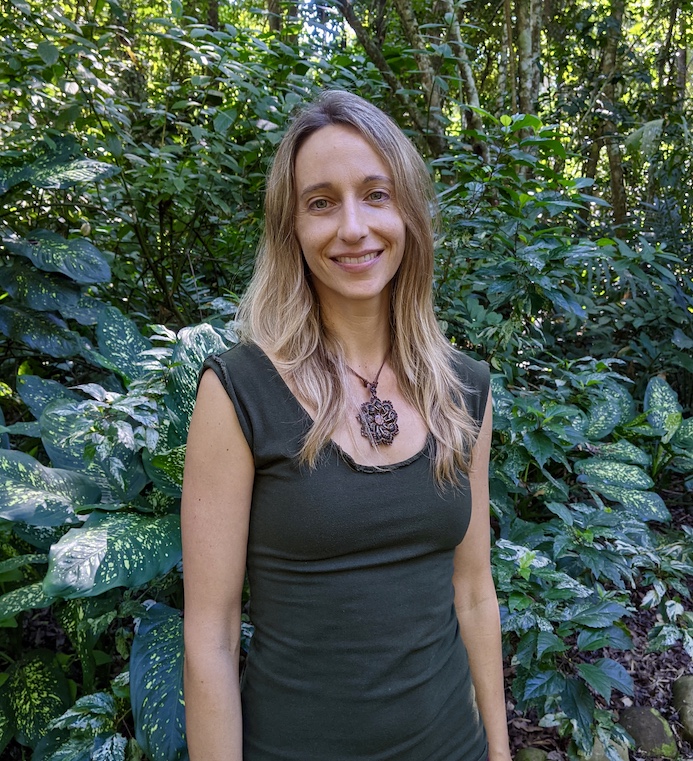
Jill Levers has been passionately writing about Ayahuasca for nearly 20 years, sharing her insights and experiences to inspire and educate others about its profound healing potential. Ayahuasca has played a transformative and central role in her life and work. Her first encounter with sacred medicine in Peru in 2007 marked a profound turning point in her spiritual journey. During her second ceremony, Jill felt a deep calling from Ayahuasca to dedicate her life to helping others heal and transform.
This experience inspired her to co-found the Tierra Vida Healing Center in 2008, which later evolved into the Nimea Kaya Healing Center in 2013. For over 17 years, Jill has served as a bridge between the Western world and the traditional Shipibo culture, organizing Ayahuasca retreats, assisting guests with integration, and supporting individuals on their paths to personal growth and healing.

